


I’ve been thinking a lot about reinvention lately. Not the Instagram kind where some dude goes from a fitness bro influencer to a real estate agent to a crypto “expert” selling courses in about three years.
I’ve been thinking about the real kind. The kind where you torch the version of yourself that’s working okay or maybe adjacent to what you really want to bet on something that might not work at all. Our founder Greg Scheinman did this, ditching an high-paying insurance job to go all in on Midlife Male. We talk about it a lot.
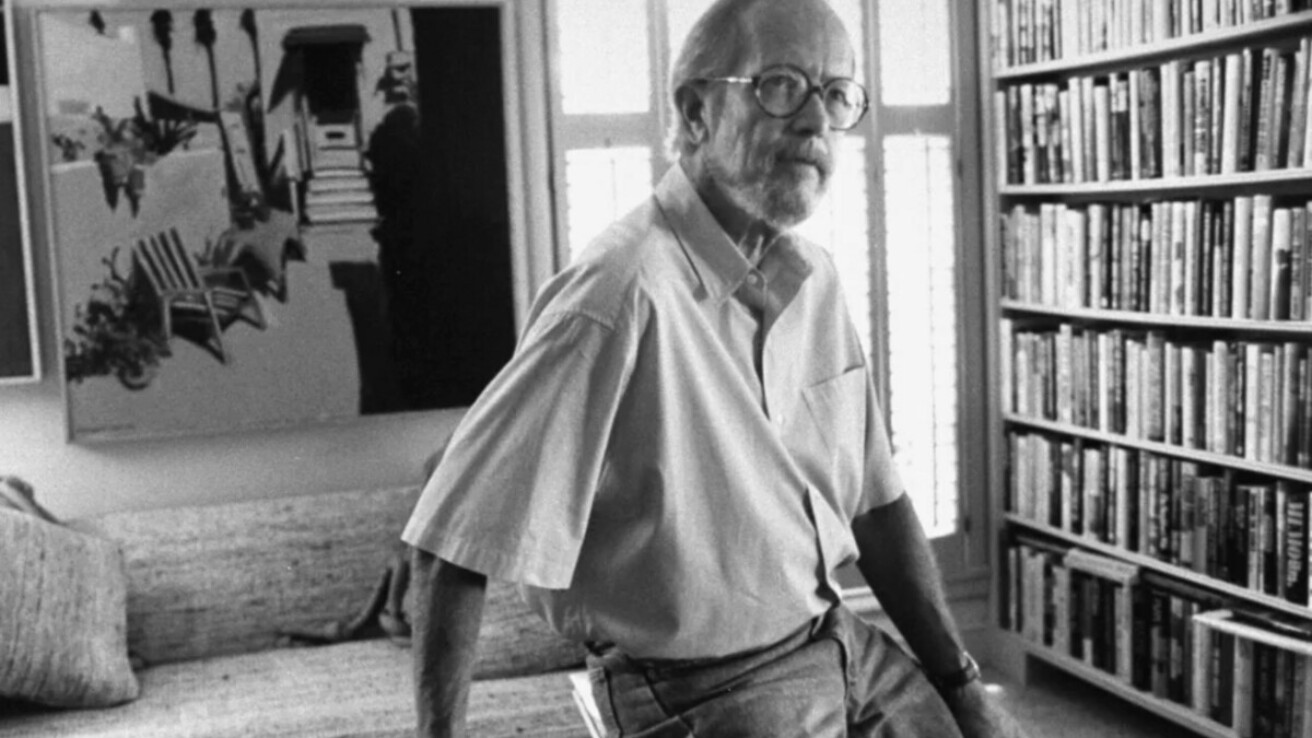
I’ve been a writer and author for my whole career, which is why I keep coming back to one of my favorite writers of all time, Elmore Leonard, on this topic. If you don’t know, Leonard, AKA, “Dutch”, was one of our greatest writers, with dozens of bestsellers and over twenty of his books turned into hit movies and TV shows over a fifty year career that you’ve definitely watched and enjoyed.
My personal favorite is probably the Justified TV show, though there are close seconds.
Leonard is one of my favorite writers for a lot of reasons. The dialogue. The characters. The simple, yet brilliant plots. But what I want to share with you today for a little inspiration is his career arc. Because it’s absurd. And instructive. And incredibly encouraging for anyone over 40 who’s wondering if they’ve still got another act in them. Or two.
Elmore Leonard didn’t just reinvent himself once. He did it twice. And both times it came down to one last-ditch creative decision.
In 1946, Leonard returned home from serving in the South Pacific during World War II. He knew exactly what he wanted to do. He wanted to be a writer. He enrolled at the University of Detroit and started writing in earnest, planting his flag in the Western genre, which at the time was wildly popular. He submitted stories, collected rejections, and kept going.
One editor at the pulp magazine Argosy told him, “Keep ’em coming.” Which was encouraging, but encouragement doesn’t pay the rent.
Leonard still had to eat, which meant he did what a lot of us did in our twenties: he took a job at something in the vicinity of what he ultimately wanted to do at an ad agency as a copywriter. His main clients were auto stores. Not exactly his dream job. And so it went, he spent his days pitching brakes and pads and liners and motor oil and cars, while squeezing in writing Westerns whenever he could.
He sold his third story, Trail of the Apache, but the editor offered a sobering piece of advice along with that first measly check:
Don’t quit your day job. Writing for a living, he warned, was a hazardous occupation. Oooof.
Leonard ignored him.
New to Midlife Male? Sign Up Now for Free
By 1955, he was 30 years old with a wife, kids, a full-time job, and a serious side hustle. He became ruthlessly disciplined. He woke up two hours before sunrise every morning to write, then made his kids breakfast before heading off to work.
He once said, “I had a rule that I had to write a page before I put the water on for the coffee.” (I personally love this rule and have used it myself).
Funny enough, his ad agency noticed his literary success and decided to use it as a marketing tool, even running an ad called “Meanwhile, back at the agency…”
Leonard kept his head down and kept writing.
By the late 1950s, he was firing on both cylinders. Advertising copy by day. Westerns by night. And then the floor fell out. The Western genre collapsed. Readers moved on. Suddenly, nobody wanted what he was selling. His agent gave it to him straight. Time to change genres.
That’s when things got quiet.
In the early 1960s, Elmore Leonard, already one of the most prolific writers of his generation, went five full years without publishing a work of fiction.
Five years!
Suddenly, he was past forty and his fiction writing career had vanished. On paper, he was just a midlife automotive ad copy writer; a guy selling clever words about exhaust pipes to pay the bills. Nothing to be miserable about, but for someone who dreamt of millions of people reading his books, it stung.
So he spent a half-decade transitioning from Westerns to something else. Anything else. He eventually sat down to write a crime novel called The Big Bounce.
He submitted it to H. N. Swanson, the legendary agent who represented Hemingway and Faulkner. Then he waited. And waited. Finally, the phone rang.
Swanson asked, “Did you write this book?”
Leonard said, “Of course I did. My name’s on it, isn’t it? I wrote the book.”
Swanson replied, “Kiddo, I’m going to make you rich.”
He wasn’t wrong. It didn’t happen overnight, but it happened. By 1972, five of Leonard’s Westerns had been turned into Hollywood films starring Clint Eastwood, Paul Newman, and Burt Lancaster. By the 1980s, he was one of the best-selling, most prolific authors in the world.
Manuscripts became bestsellers. Bestsellers became movies. Like clockwork. This went on for four decades.
Out of Sight. Jackie Brown. Get Shorty. 3:10 to Yuma. Killshot. Hombre. Justified.
Elmore Leonard became a publishing and Hollywood juggernaut not because he clung to what worked, but because he had the creative guts to abandon it and write what the audience was ready to read.
That’s the part I find most impressive.
Sometimes, invention isn’t about starting over from scratch. It’s about carrying everything you’ve learned into a new direction and having the courage to let go of an identity that no longer fits. Leonard didn’t get younger. He got sharper. He adapted. Twice. From brake pad copywriter to western writer. From western pulp writer to crime novelist to screenwriter. What’s your next move?
Also, do yourself a favor and read Rum Punch. It’s so damn good. A master at work.

midlifemale
midlifemale
midlifemale
Jon Finkel
Editor-in-Chief, Midlife Male
follow me on Twitter/X, Instagram, and LinkedIn.
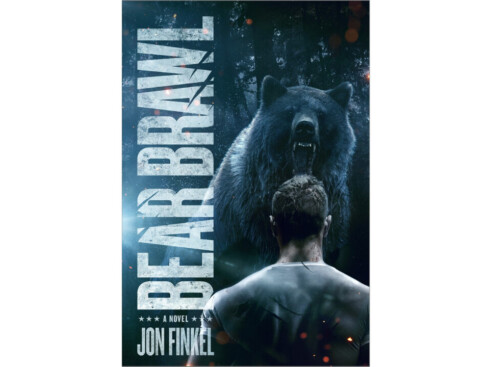
Check out my latest books at jonfinkel.com
midlifemale
midlifemale
midlifemale