


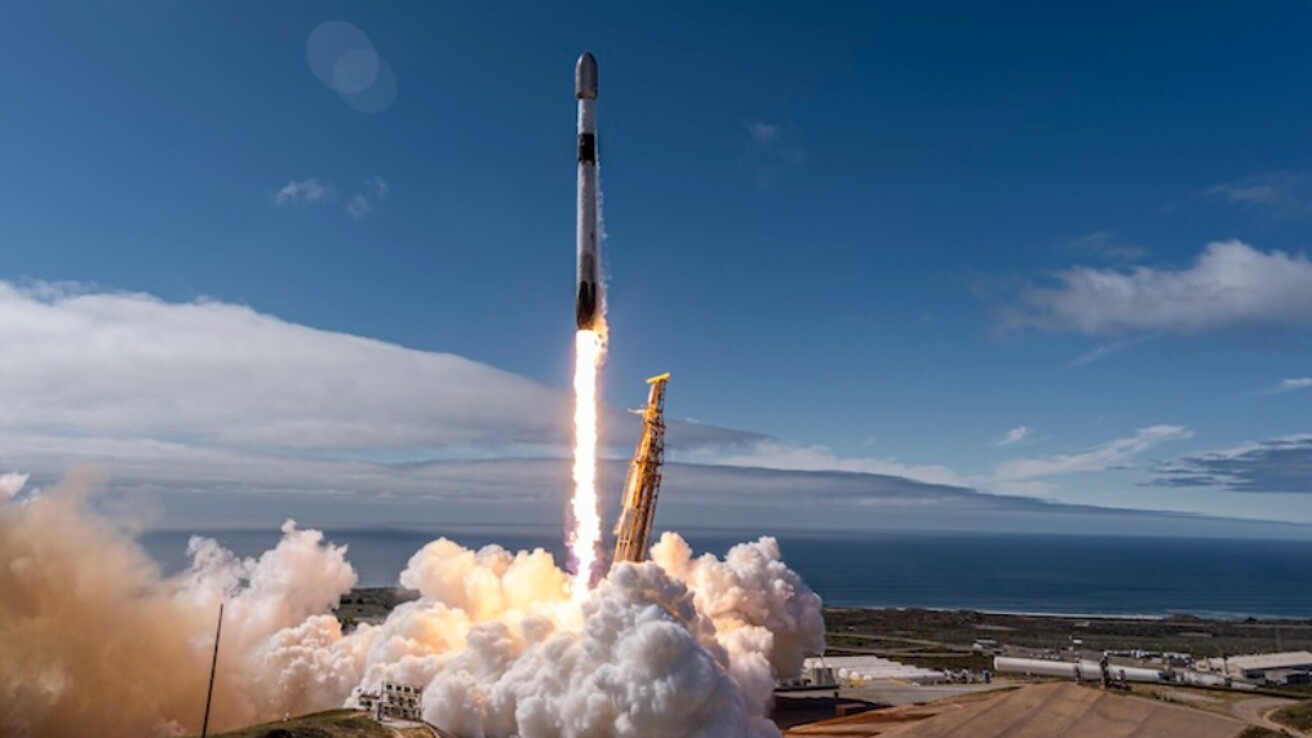

In a few short weeks, public stock investors will have the opportunity to invest in the largest and most historic IPO. SpaceX is coming public at an estimated valuation of $1.75 trillion (yes, that’s a T). In an unusual twist, up to 30% may be earmarked for retail investors to hop on this rocket with Elon.
Let’s remember that SpaceX has been a privately held company for the past 14 years, and numerous large venture capital and institutional investors have already claimed their stakes. Their initial investments have compounded famously from 10x to 1000x, and once SpaceX comes public and the lockup periods expire, they will have the opportunity (liquidity) to take profits at the very time that mom-and-pop are invited to invest. Feels a little awkward, doesn’t it? But that’s just how private equity works. Caveat emptor.
If you weren’t lucky or connected enough to own direct SpaceX private shares, you may already have some exposure via Google, Tesla, or EchoStar. Several ETFs, such as Destiny Tech100 and Ark Venture Fund, and public mutual funds (the Baron Partners Fund or Fidelity Contrafund) have also disclosed their ownership of SpaceX private shares, and their prices have reflected this new valuation and excitement. Also, once SpaceX goes public, it could be included in the Nasdaq-100 in as little as 15 days and the S&P 500 within six months, which would force index buying, so you will likely end up owning some in your 401(k)s. Talk about competing forces!
So the question I’m chewing on is whether I want to add direct exposure to SpaceX to my personal portfolio. Do I want to ride along with Elon as he takes on unimaginable challenges, disrupts more industries, and continues to build one of the most creative companies of my lifetime? Or do I sit this one out and try not to feel the cold sweat of FOMO as things get more interesting? I learned long ago not to root against the home team – just to be strategic about when to place my chips.
New to Midlife Male? Sign Up Now for Free
Let’s remember what SpaceX is: a vertically integrated machine combining aerospace, connectivity, and artificial intelligence. Starlink is the largest revenue and profit generator, with over 10mm subscribers and $11.4 billion in revenue. The Falcon launch segment posted a loss after hefty R&D costs in 2025, but it’s efficient and is increasing its launches to build out the satellite network. The third segment is Elon’s own AI company, xAI, the maker of the Grok model, which merged with X (formerly Twitter). That combined entity is the largest cash drain on the SpaceX empire but may surprise investors in the long run.
Elon Musk and his companies have never traded in traditional orbits or on rational valuation metrics. The company is net income-negative but cash flow-positive, driven by Starlink’s high margins and operating leverage. Most analysts expect SpaceX to continue spending aggressively to grow Starlink’s recurring revenue stream above $100 billion.
Like the multi-stage rockets of our past, after the initial IPO blast-off, SpaceX may feel the pull of gravity and fall back to Earth. The voices of financial market influencers and the talking heads on CNBC will be loud and endless, both in support and in opposition. We should tune out the noise, continue doing our own research via conference calls and webcasts, and remember the golden rule of investing: think for yourself.
The bigger picture I see is the continued shift away from land-based communications, with their limitations (dead zones), toward a few global satellite providers, with internet and cell phone communication networks spanning the globe at reduced prices. The potential for additional businesses such as solar-powered data centers in space and others I can’t even imagine could become part of this pioneering company. Just tonight, the new Starlink receiver arrived at my rural house, so I’ll have my own test case.
My plan? I intend to buy a starter position at the IPO price through Schwab or Robinhood, which are part of the selling group, while keeping a close eye on early trading – and then let things unfold. There will be failures and spectacular rocket explosions; just ask Blue Origin about last week. There will be waves of insider selling when the lockups expire, whether the stock pops or sags. The overall stock market may struggle to digest the largest IPO in history, and the rumored IPOs of Anthropic and OpenAI are on the same runway. This combination could overwhelm the market, let alone any nasty economic or geopolitical news that would create turbulence.
I’m going to maintain a long-term view of this magnificent company and patiently wait for the opportunities that will inevitably arise. If I’m mentally prepared to be underwater on my initial investment to build a larger position at lower prices, I can react less emotionally if it happens.
At this midlife stage, I reconciled myself to the fact that the best opportunities rarely arrive at convenient times and are never free of risk. SpaceX won’t be either. I’d rather buy my half, keep my nerve, and watch the story unfold than spend the next decade on the sidelines wondering what the view was like from up there.

midlifemalmidli
femalemidlif
Ron Speaker
Financial Consigliere
Midlife Male Contributor
midlifemal
midlifemale
midlifemal
Join 50,000+ driven men over 40 getting free weekly advice on maximizing their health, wealth, and fulfillment in midlife. Subscribe here.