

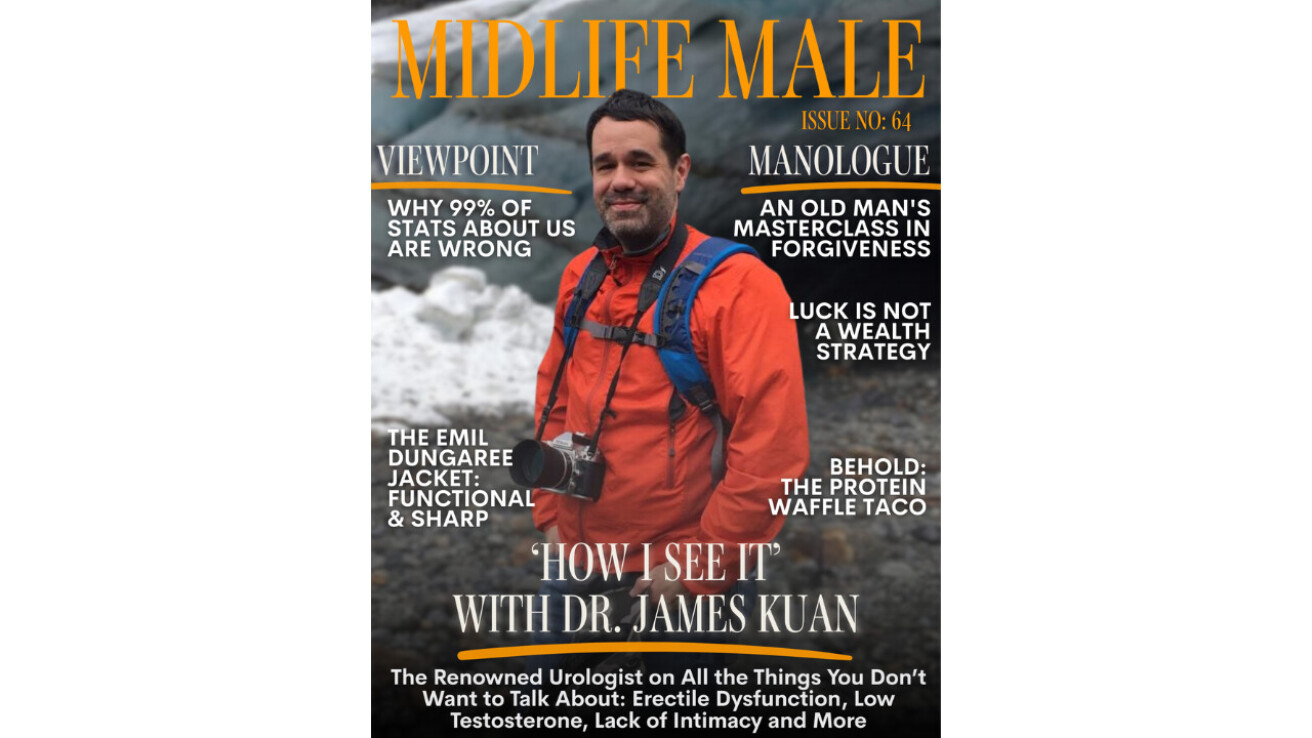

Middle age doesn’t mean the end of great sex. It shouldn’t. It can be the beginning of more honest, connected intimacy.
Dr. James Kuan, MD has helped thousands of men and couples get there. In this conversation, we talk openly about the issues most guys avoid: ED, what really causes it and what actually works, prostate problems, low testosterone and what to do about it. We even cover penile implants, which more men are choosing than you might think. We get into cosmetic urology and the simple rituals that keep long-term relationships strong in the bedroom and out.
We also take on the reality of having wives or partners in perimenopause and menopause. It can be confusing and frustrating, and it is not something solved by a little blue pill. This is when men need to step up, understand what is happening, and learn how to work with their partners.
Dr. Kuan combines medical expertise with life coaching in a way that is both practical and easy to apply. These are sensitive topics that men don’t talk about enough, but they matter. You will get a lot from this conversation. And check out his newsletter at sexafterretirement.com. I read it myself.
Dr. James Kuan on All the Things You Don’t Want to Talk About: Erectile Dysfunction, Low Testosterone, Lack of Intimacy and More
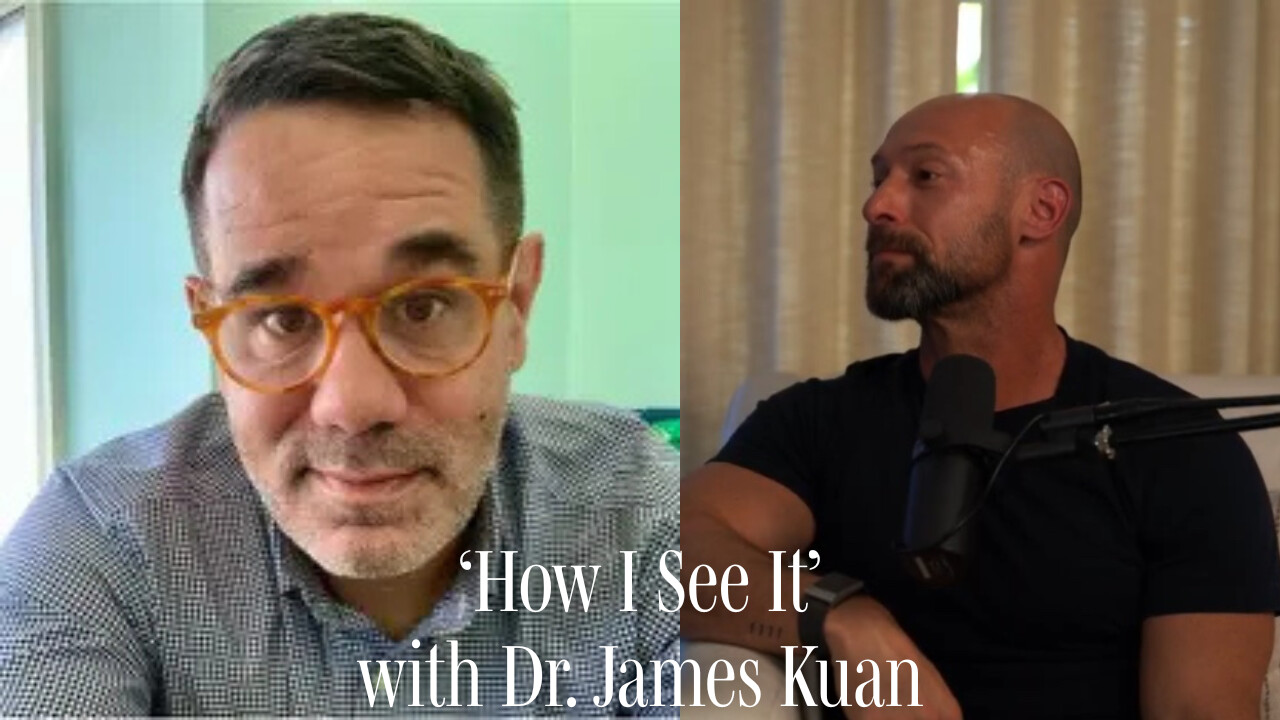
Watch the Full Interview Here:
On Shame and Silence:
“There’s rarely anything you will ask us that we haven’t heard, and that gets wrapped up in shame and silence. Men often come to the doctor for something else, but they’re really there to talk about sexual medicine. It’s that typical doorknob complaint; you’re getting up to leave, and suddenly there’s one more thing.”
On Finding the Right Doctor:
“Not all docs are created equal, but when you find that person, find that fit, these discussions are every day for us. It’s important to find a urologist or men’s health primary doc who is comfortable treating men and having these discussions. That comfort makes all the difference.”
On Chasing the Right Age:
“Men get caught up on chasing 30 years old instead of chasing 55 or 57 or 49 where they are. The biggest misconception is thinking we need to be who we were decades ago, rather than embracing where we are now. That mindset can be a real barrier to health.”
On Bad Information:
“Men are bombarded through their junk mail, inbox, and text messages with bad information. The biggest misconception is just all the stuff that comes through from what I call your best friend Joe. The hardest part is getting good information.”
On Breaking the Ice:
“If libido, drive, or energy is off, it can be as simple as saying, ‘Hey Doc, I haven’t been feeling myself. I’d like to know if there are some metabolic or hormonal causes.’ That invites the conversation and helps break the ice.”
On Erectile Dysfunction:
“Erectile dysfunction is a pattern, not a one-off. It’s the loss of erections at night, in the morning, or the ability to maintain an erection even with self-stimulation. It’s not just about one bad night; it’s about a consistent change.”
On Performance Anxiety:
“When there’s even been one episode, especially in younger men, that scenario grows in the brain. Performance anxiety and relationship issues can create a vicious cycle of failure and avoidance. Building up success, even with medication, can help break that cycle.”
On Medication as a Tool:
“Viagra will not fix bad vascular health, bad sleep, low testosterone, poor communication, or problems in a relationship. In cases of erectile disinterest, medication can be a tool to restore sexual connection and confidence, but it’s not a cure-all.”
On The March of Life:
“Sometimes even when we do all the right things, the march of life accumulates. Just like our hair goes gray or our joints begin to ache, the march of life happens to us. It’s not always about what we did or didn’t do.”
On Erectile Dysfunction as a Symptom:
“Erectile dysfunction is a little bit like the canary in the coal mine for vascular disease. The penile arteries are smaller than the coronary arteries, so if plaque is developing, it will show up there first. It’s a symptom that should prompt evaluation.”
On Vasectomy and Testosterone:
“A well-performed vasectomy only interrupts the vas deferens and should not affect testosterone levels. Most of what we ejaculate comes from the prostate, not the testicles. If sexual function changes after a vasectomy, it’s usually not due to testosterone.”
On Testosterone Replacement:
“Testosterone replacement is safe if evaluated and monitored appropriately. When we get greedy with testosterone, that’s when toxicity happens. It’s about symptoms plus the number, not just chasing a higher number.”
On Testing for Low Testosterone:
“Testing should be done with two blood tests between eight and ten in the morning. Many clinics test in the afternoon, which raises the chance of a low result. Proper testing and monitoring are essential for safe and effective treatment.”
On The Toolbox Approach:
“Testosterone is fuel, but you still have to drive the car. It’s one of the tools in the toolbox, and without the other tools—like sleep, nutrition, exercise, and stress management—you won’t see the benefit. It’s about building capacity, not just taking a pill.”
On Growing Old Gracefully:
“Growing old gracefully is about fine-tuning and recalibrating, finding your footing, and coming into your fullness. We should only grow old in the way we want to, not because someone else is asking us. It’s about agency and confidence.”
On Cosmetic Procedures:
“Thirty percent of men worldwide would consider a procedure to alter their penis if it was safe. Cosmetic procedures below the belt range from blemish removal to girth enhancement, but it’s important to use non-permanent fillers and know your provider. More isn’t always more.”
On Partner Mismatch:
“Special partner mismatch is a real thing, and every couple’s situation is different. Menopause is real, and its effects on interest and sex drive are significant. Our job as men is to be supportive, not to prescribe solutions for our partners.”
On Communication and Intimacy:
“Sex is a 13-letter word: communication. Intimacy starts with vulnerability and closeness, not just intercourse. When men show up in their relationships beyond just sex, women may be more responsive.”
On Sleep and Sexual Performance:
“Quality of sleep, probably by way of testosterone, can affect sexual performance. Men who are chronically under-slept will have testosterone levels that are lower by about ten years. Good sleep is a path to better sexual health.”
On Betting on Yourself:
“Betting on yourself is the first step. Indecision is a choice, and sometimes stepping back isn’t failure; it’s centering yourself and what you need. Productive time for money is no longer the priority if it’s not bringing you fulfillment.”
In health,


midlifemalmidli
femalemidlif
Greg Scheinman
Founder, Midlife Male
52. Husband. Father. Entrepreneur. Coach.
Follow me on LinkedIn, and Instagram
midlifemal
midlifemale
midlifemal
Join 35,000+ driven men over 40 getting free weekly advice on maximizing their health, wealth, and fulfillment in midlife. Subscribe here.