

There’s something strange that happens in midlife when you meet people who mattered to you growing up.
Not just celebrities. Not “famous people.” I mean the people who represented something to you at a certain age. The guys whose posters were on the wall. The athletes you watched with your dad. The names that felt larger than life when you were fourteen years old and trying to figure out who you wanted to become.
You don’t realize it until later, but those people become part of your personal history. They’re tied to neighborhoods, car rides, routines, smells, songs, and entire periods of your life. And when you finally meet them decades later, there’s always this weird little moment where the adult version of you shakes hands while the kid version quietly watches from the corner of the room.
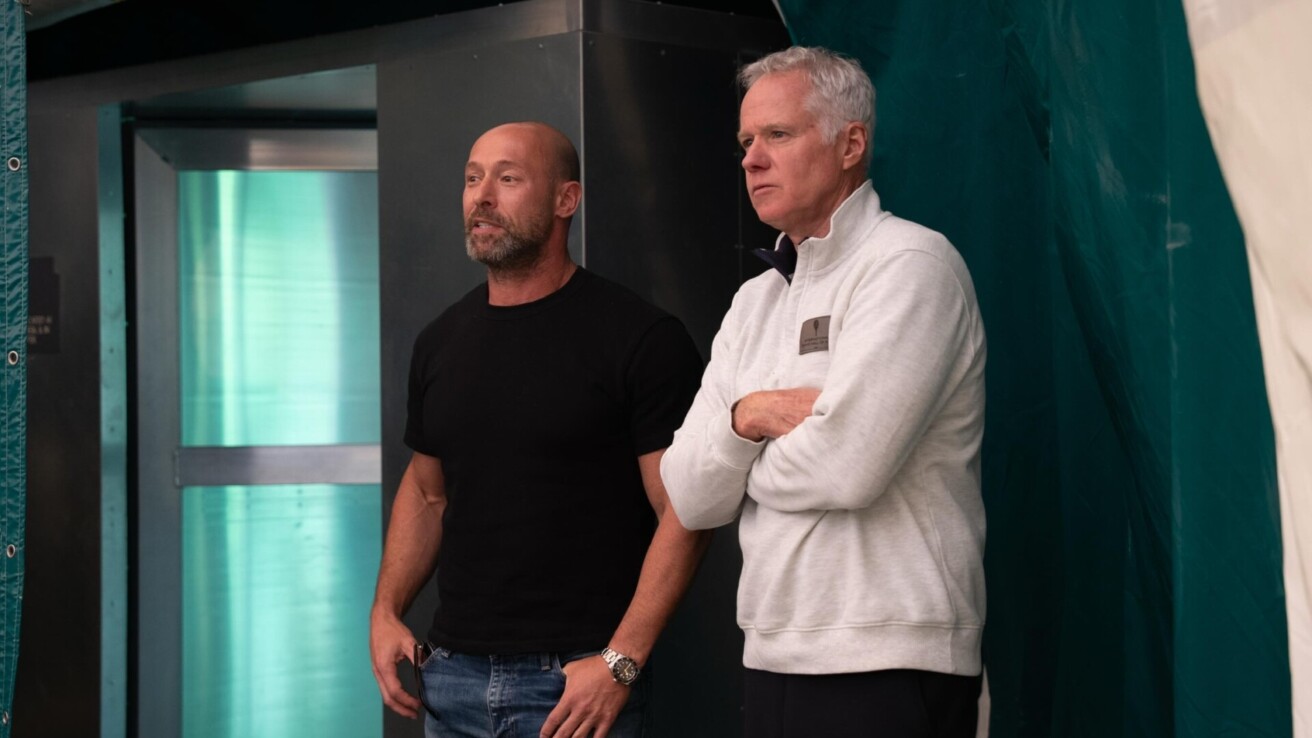
That happened to me a couple of weeks ago when I flew to New York to interview Patrick McEnroe.
I grew up on Long Island playing tennis and being driven to the Port Washington Tennis Academy, where Patrick, John, and a generation of great players trained. Back then, that place felt like the center of the tennis universe. If you were a kid on Long Island with a racket in your hand, the McEnroe family was the pinnacle.
New to Midlife Male? Sign Up Now for Free
I trained with guys like Stan Ross and Bob Litwin. Those names may not mean much to most people, but around Long Island tennis they were legends. They coached great players, knew everybody, and carried all the stories. Vitas Gerulaitis lived in my neighborhood. We’d ride by his house hoping to catch a glimpse of him or one of the McEnroes before eventually getting chased away like idiots.
Like most people, I knew about John first. Everybody did. The fire, the emotion, the blowups, the celebrity. But I always had a soft spot for Patrick because he seemed different. Calmer. More grounded. Less interested in proving something every second of the day. Even back then, he carried himself with this ease that stood out.
And when you finally meet someone you’ve spent forty years building up in your mind, you never really know how it’s going to go.
The pictures on the wall at the tennis club. The voice calling matches at the US Open. The guy you once took the Long Island Railroad into Queens to watch play.
All of that walks into the room with you.
I got to the John McEnroe Tennis Academy on Randall’s Island early the morning of our interview. Beautiful facility. The kind of place where you instantly wish you’d brought your gear and blocked off the afternoon to hit.
I was standing outside drinking a smoothie when Patrick pulled in. We introduced ourselves and started talking on the walk inside.
Within about two minutes, we were talking about shoulder injuries because he just had surgery. Torn labrum. Rotator cuff. Physical therapy. Recovery.
Same stuff I’m dealing with, though I haven’t gone down the surgery route.
And right there, before we even sat down, before a camera was rolling or a question was asked, we were just two guys in their fifties standing in a lobby talking about shoulders and stubbornness and what it takes to stay in the game. That’s the conversation I came for. Everything after that was a bonus.
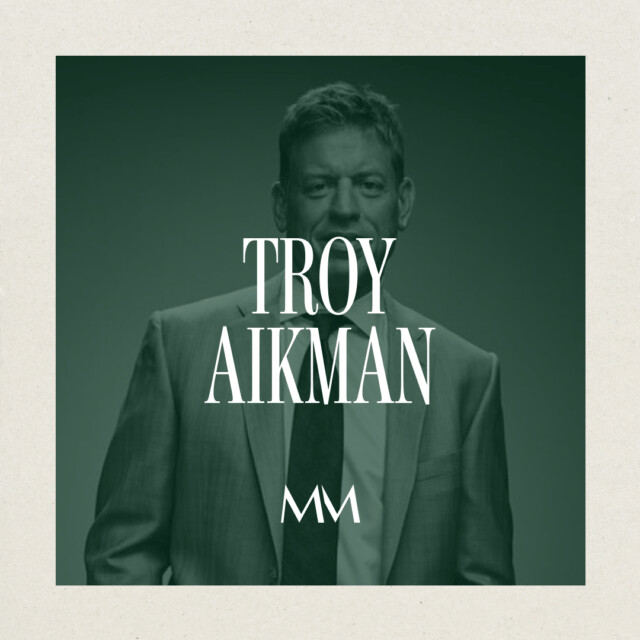
This reminded me of my conversation with Troy Aikman. In the same way that wasn’t really about football, this wasn’t really about tennis. It was about how a man lives.
Patrick talked about marriage, fatherhood, showing up for his wife, staying curious, continuing to evolve, and still caring enough to have opinions and convictions without turning into a caricature of himself.
Here’s the full interview with Patrick McEnroe on How I See It. You guys are really going to enjoy this one.
And remember: we don’t stop playing because we get old. We get old because we stop playing.
In Health,
Greg Scheinman
Founder, Midlife Male
Husband. Father. Entrepreneur. Coach.
Follow me on LinkedIn, and Instagram
Join 50,000+ driven men over 40 getting free weekly advice on maximizing their health, wealth, and fulfillment in midlife. Subscribe here.