

The Wall Street Journal recently ran a story arguing that your 40s aren’t middle age anymore. They’re calling it “prime time.”
The piece focused on women, but I couldn’t help reading it through a different lens because the same thing is happening with men. In fact, I’d argue it’s even more obvious.
To appreciate how much has changed, you have to remember what 40 used to represent.
When I was growing up, every magazine cover celebrated youth. Men’s Health. Men’s Fitness. GQ. Esquire. Actors, athletes and musicians were all in their twenties or early thirties. The message was subtle, but it was everywhere: these are your best years, so enjoy them while they last.
By the time a man reached 40, culture had already started writing his next chapter for him. The uniform became khakis and polo shirts. Athletes had long since retired. If they were still making headlines, it was usually because they were being inducted into a Hall of Fame somewhere. Forty wasn’t viewed as the middle of life nearly as often as it was the beginning of decline.
That script doesn’t fit the world anymore.
Look around today.
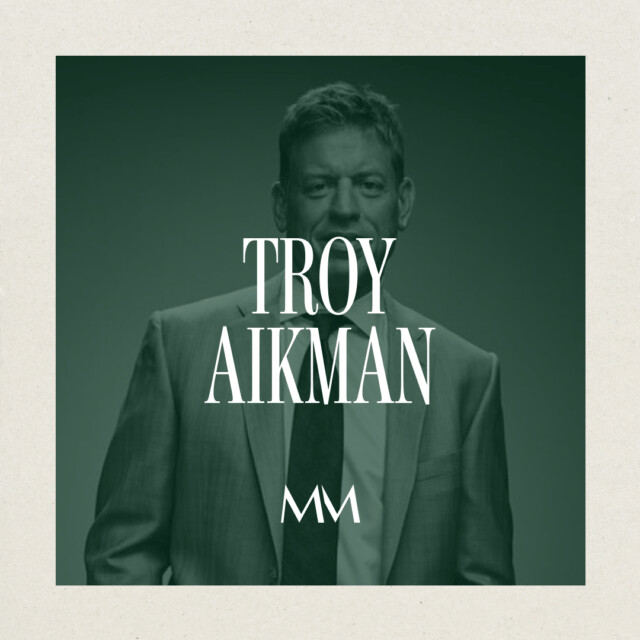
LeBron James is still deciding where he wants to play. Tom Brady won Super Bowls well into his forties. The faces younger men admire today are Dwayne Johnson, Jason Statham, George Clooney, Matthew McConaughey, Mark Wahlberg and Lenny Kravitz. They’re in their forties, fifties and sixties, and they’re still setting the standard in fitness, style, business and culture.
The same shift is happening everywhere else.
New to Midlife Male? Sign Up Now for Free
Jason Strauss, Noah Tepperberg and Dave Grutman have spent decades building some of the biggest hospitality companies in the world while raising families and prioritizing their health. Diplo has a run club. Michael Rubin’s annual White Party looks less like a gathering of twenty-somethings and more like a room full of men in their forties and fifties who are operating at an incredibly high level.
Business tells the same story.
Jeff Bezos, Elon Musk, Mark Zuckerberg and Bill Ackman are all leading industries while continuing to reinvent themselves. More CEOs and founders openly talk about fitness, recovery, sleep and longevity because they’ve realized those things are competitive advantages. I’ve even heard executives say they don’t want to hire someone younger who’s less healthy than they are. Twenty years ago nobody would’ve said that out loud.
Fitness has changed too.
The people leading the industry today aren’t kids making workout videos in a gym. Harley Pasternak, Gunnar Peterson, Don Saladino and Marc Megna have spent decades refining their craft. Experience matters. Credibility matters. The people teaching longevity are living it.
The biggest change, though, isn’t who we’re watching.
It’s the story we’ve been telling ourselves.
For decades, the script looked something like this: build your career, get married young, have kids, buy the house, move to the suburbs, work hard, save your money and gradually settle into a quieter version of yourself. Somewhere along the way, life became smaller. Energy faded. Curiosity faded. Adventure faded. Midlife became something to manage instead of something to anticipate.
That isn’t how many men are living anymore.
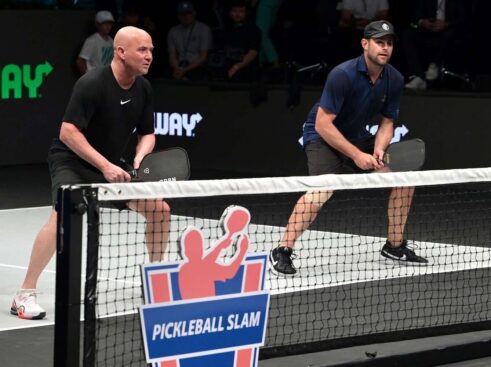
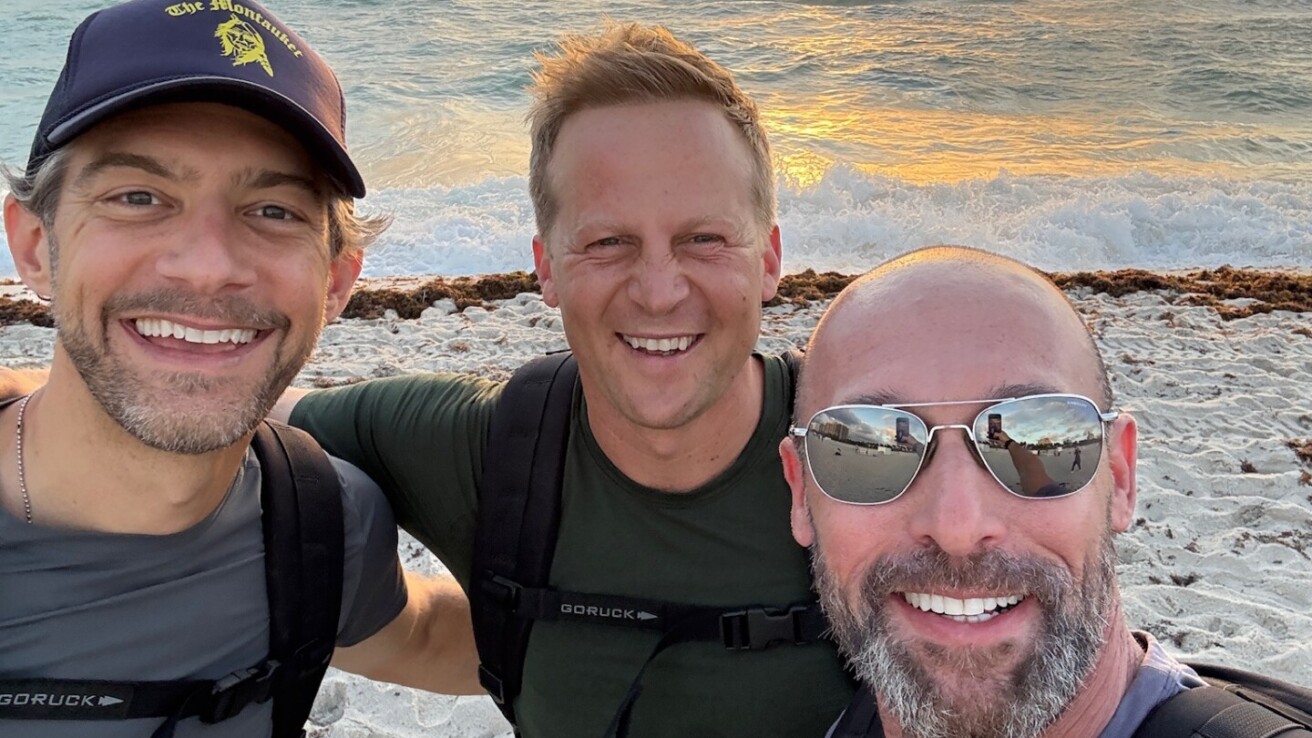
We’re getting married later. Having children later. Starting companies later. We’re training longer, competing longer and staying curious longer. The men I know in their forties and fifties are climbing mountains, swimming open water races, training for HYROX, playing pickleball, launching second and third businesses and showing up for their families with an energy that would’ve been unusual a generation ago.
Something else has shifted too.
When I was younger, aspiration flowed in one direction. Younger men looked almost exclusively at other young men. Today, a lot of them are looking at men in midlife. They see experience paired with energy, confidence built over time and lives that are still expanding instead of contracting.
That’s a remarkable change.
It also didn’t happen by accident.
The men thriving in their forties and fifties built those lives over decades. They invested in their health. They developed discipline. They stayed curious. They kept learning. They kept showing up. Prime time isn’t something you arrive at because of your age. It’s something you earn through the decisions you make over a very long time.
That’s why I’ve never believed midlife is the beginning of the end.
I think it’s the beginning of your best work.
The old script told men to slow down.
Everything I see today tells me we’re just getting started.
In Health,

Greg Scheinman
Founder, Midlife Male
Husband. Father. Entrepreneur. Coach.
Follow me on LinkedIn, and Instagram
Join 50,000+ driven men over 40 getting free weekly advice on maximizing their health, wealth, and fulfillment in midlife. Subscribe here.