

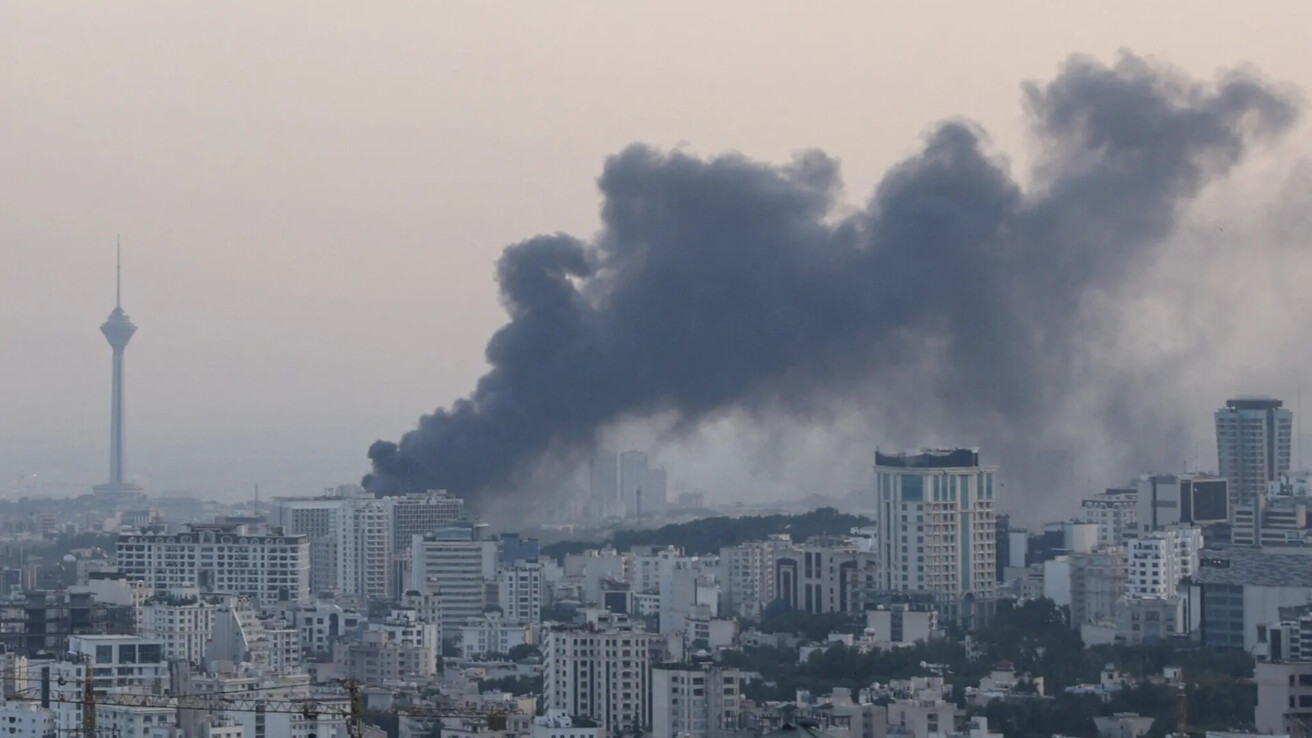

The current Middle East conflict highlights how markets respond to stress and why investors who remain calm benefit most.
In 1970, Edwin Starr recorded the famous protest song titled “War,” with the lyrics, “Huh, Yeah, What Is It Good For? Absolutely Nothing.”
While I’m not a fan or promoter of conflict, war can teach us a lot about markets, economics, human psychology, our global interconnectedness, and our own risk tolerance, more than almost any bull market could.
Times of geopolitical stress serve as invaluable classrooms for serious investors. The current Middle East conflict delivers immediate, real lessons and reveals broader market patterns.
The Macro Storm War Creates
In a few short weeks, the macroeconomic environment had been reshuffled. Oil prices have surged more than 50% amid supply concerns, immediately impacting gas prices and clouding the inflation outlook. As a result, interest rates began rising due to inflation fears and escalating war costs, which affect consumer confidence, home affordability, and dampen buyer intentions in the housing market.
Then came the February jobs report: an unexpected loss of 92,000 positions and a rising unemployment rate. That’s a trifecta of unsettling data, energy, rates, and labor landing all at once as we head into the historically volatile month of March. For investors, this is not background noise. It’s the risk-off signal.
New to Midlife Male? Sign Up Now for Free
Risk-Off Is Rational, But It’s Also a Trap
When relentless headlines create uncertainty, retail investors usually pull back, protecting gains in their winners and moving to cash in search of clarity. This reaction, though understandable, is what the market expects. High-flying stocks suffer the most as fear and profit-taking increase the decline. Given the dramatic increase of Gen Z investors, +25mm or more in the past decade, via platforms such as Robinhood, there is a new group of freshmen who will be given the opportunity to learn their own lessons in the market.
The same stocks that investors bid up recklessly during the FOMO-driven euphoria of a bull market can become deeply mispriced on the way down simply because the emotional environment has shifted. That mispricing is not a threat to the patient investor; it’s an invitation if we can keep our heads and not overreact.
What History Tells Us
U.S. equity indices have already turned negative for the year and will likely test key 200-day moving averages in the days ahead. Iran’s war playbook has always included rattling global financial markets, testing not just military resolve, but our President’s nerve. Over the past 50 years, the S&P 500 has declined by more than 10% on 20+ occasions. Each episode felt catastrophic yet resolved over time, leading to new heights, hard to act on, but crucial for long-term gains.
Consider the record. Gulf War. Bosnia. Kosovo. Afghanistan. Iraq. Libya. Syria. Each brought genuine fear, real disruption, and wall-to-wall commentary predicting prolonged damage. Yet in every case, markets recovered often well before the cable news consensus declared the crisis over.
Uncertain Markets Reveal Portfolio Imbalances
Uncertainty has a way of exposing weaknesses in portfolio construction that bull markets are happy to keep hidden. Use this moment as a diagnostic, not just a disruption.
After several years of dominance by technology, particularly the Magnificent Seven, the market has been rotating away from high-multiple growth stocks toward value and defensive plays. Military defense contractors and energy companies have quietly outperformed the momentum darlings in this new environment, a shift that caught many concentrated portfolios flat-footed.
Then there’s gold. It has been sounding the alarm for months, but too few investors have been listening. Prices have roughly doubled over the past year, a move that speaks to deep global risk aversion well beyond any single geopolitical flashpoint.
The lesson here is straightforward: the sectors that fueled your portfolio in a bull market may expose you to outsized losses in downturns. The most important takeaway is that proper diversification, which may seem unnecessary in good times, is essential to protect against major losses when markets get rough.
The Only Thing You Can Control
During every crisis I’ve lived through as an investor, I forcefully remind myself to focus on the things I can control and not get absorbed by the magnitude of events. There are tempting reasons to have longer coffee conversations with others about recent events, when they may be operating from fear, which can influence my own mindset. I choose instead to focus on reading and watching diverse opinions and to dig deeper into the history of the conflict in question.
Investors who succumb to their fears will panic on the way down, sell at the worst possible moment, and may never return to the market. Others will recognize the maximum agony point for what it is: the statistical moment when the odds begin to shift in favor of the long-term buyer.
During major price declines, I must be disciplined to add to my high-conviction holdings with dollar-cost averaging, not based on timing, but fully embracing my long-term horizon.
For mid-life investors especially, these moments test everything you’ve built. Your allocation, your conviction, your temperament. How you behave in the next few months could matter more to your long-term financial future than any single stock pick you’ll ever make.
As Sir Winston Churchill once said, “Success is not final, failure is not fatal: it is the courage to continue that counts”.
Let’s treat every market crisis as an opportunity to reinforce your discipline, stick to your plan, and trust your preparation. Staying invested and focused is what creates your financial future.

midlifemalmidli
femalemidlif
Ron Speaker
Financial Consigliere
Midlife Male Contributor
midlifemal
midlifemale
midlifemal
Join 50,000+ driven men over 40 getting free weekly advice on maximizing their health, wealth, and fulfillment in midlife. Subscribe here.