
1. Train for the life you want to live
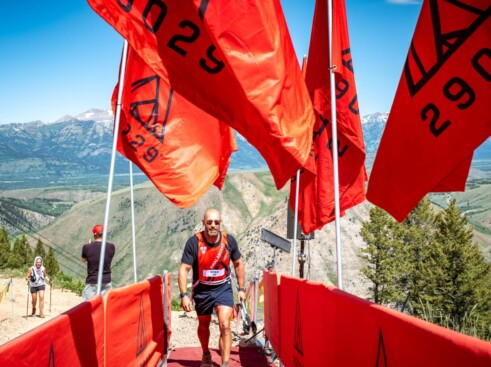
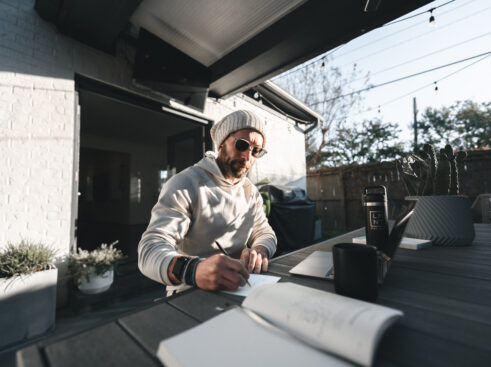
I want to be able to do what I want, when I want, with who I want, for as long as I want. To me, that’s what health looks like. I don’t chase metrics. For me, I feel my best when I’m around 175lbs and able to go through a full lifting session, run, swim or hike pain free and feeling strong. I’m not chasing a look though. Aesthetics are a byproduct of healthy living. I’m building capacity. My training reflects that.
I want energy to travel, strength to move and the endurance to go all day. I want to be the guy who can say ‘yes’ to anything physical and mean it. I’m not winning any race or competitions these days. I’m winning in midlife. I enjoy being a generalist, not a specialist.
2. Recovery is part of my training, not separate from it
At this stage of life and fitness experience, I don’t spend money on training. I invest it into recovery. The things that I can’t do myself. Physical therapy, Chiropractor, massage therapy. And also owning a Cold plunge and a Sauna. I use an app (XPT) for Breathwork. Apollo Neuro for Sleep. And I walk daily.
This isn’t bonus work. This is what allows me to keep showing up. If I skip recovery, I feel it immediately.
3. Strength is the standard
2–3 full body sessions per week. The reason I train full body in midlife is because 3 sessions per week gets the job done and my schedule does not allow for bro splits and upper or lower body specific days anymore. I also want to be in and out in an hour. Simple lifts. Controlled reps. No ego. I’m not trying to prove strength. I’m trying to keep it. Muscle is the foundation for everything else I want to do.
4. Build the engine every week
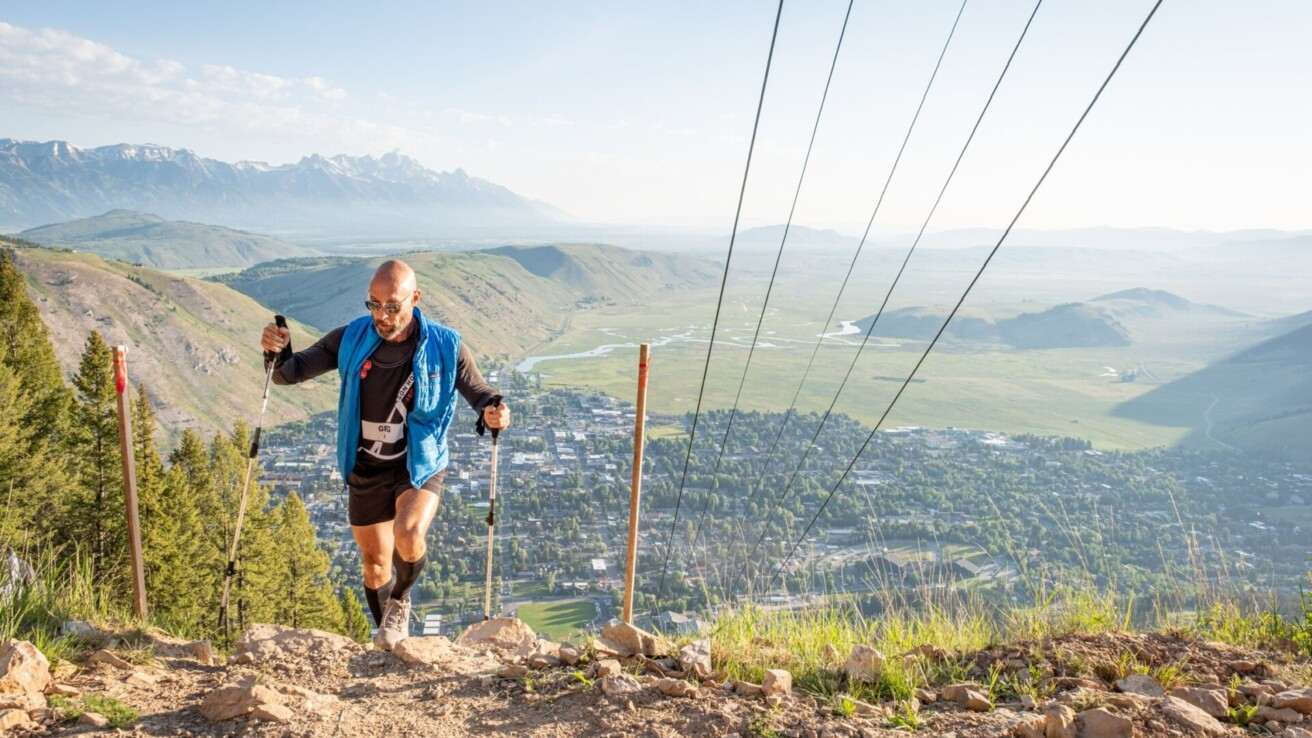
I struggle with cardio. Especially LSD (long slow distance). I’m also not a runner, and feel that running is one of the most injurious things you can do, so I train to have the capacity to run, without much actual run time. I love non impact cardio. Walks. Bike. Rower. SkiErg. Boxing. Hiking. Swimming. Each of these make long, steady efforts more sustainable and where I can breathe, think, and move. Intervals are also a great way to build capacity in a short period of time. Real longevity comes from at least three 45-60 minute aerobic sessions. Zone 2 primarily.
New to Midlife Male? Sign Up Now for Free
5. Earn intensity. Don’t chase it
I still go hard. I just don’t do it every day.
1–2 hard sessions a week is enough. I go on how I feel. When I feel like turning up the dial, I still let it rip. When it’s not there, I no longer fight it or push through it. This usually works out to 1-2 higher intensity sessions per week; whether that’s a heavier strength day or more intense cardio/interval day. The rest is controlled, intentional, and repeatable. I’m not trying to win every workout anymore. I’m here to keep training.
6. Move every day
Even when I don’t “work out,” I move. Walking with my dogs. Mobility. Light sweat. Something every single day. Consistency beats everything.
7. Train around pain, not through it
There’s soreness and then there’s injury. Shoulder issues changed how I train. Now I modify. I adjust. I respect my body more. The goal is to stay in the game, not prove toughness for one workout or believe that if you’re not in pain, then you’re not working hard enough. That’s a young man’s way of thinking.
8. Train movements, not body parts
Push. Pull. Hinge. Squat. Carry. Rotate. Jump. That’s it. No more “arms day.” No more junk volume. Just movements that translate to real life.
9. Warm up like it matters because it does
Mobility. Activation. Prep. This used to be an afterthought. Now I don’t train without a proper warmup. It’s the difference between feeling good, having a good or poor workout and getting hurt versus staying injury and pain free.
10. Keep it simple
I don’t need 20 exercises. Give me 5–6 good movements, done well, with intention. I do a ton of goblet squats, lunges and split squats. Dumbbell bench press and rows. Pushups & Planks. Trap bar deadlifts. RDL’s. That’s enough. Simplicity scales, complexity fails. Repetition and compound interest is what works.
11. Train your breath
Learning the importance of training my breath has changed how I feel in my 50s than more than just about anything else. How I breathe during workouts. How I recover between efforts. How I calm myself down.
This is both in and outside of the gym. Downregulation, upregulation, heart rate variability, lung capacity and VO2 max, stress and anxiety relief. Nervous system adjustment. Learn to breathe properly. It’s a movement and your lungs are a muscle. Train them.
12. Protect sleep at all costs
If I sleep well, everything works. If I don’t, nothing does. Get a sleep test done. Then you know how much you really should be sleeping, as well as if there’s any “interference” or health issues going on. Training, mood, recovery, patience, and performance, all track back to sleep. Be as intentional with your sleep as with anything else in your training program.
13. Training must fit your life and your life must fit time in to train.
Don’t try to force a perfect program into an imperfect schedule. Some weeks are heavier. Some are lighter. Adjust accordingly. Because a plan that doesn’t fit your life is a plan you won’t follow.
14. Train because you can
Training is a privilege. Being healthy is the best feeling in the world. It means you’re capable. View training as something you get to do, not something you have to do. Find the types of training that you find fun. It’s never too late to start. It’s always the right time to continue and there’s never a time in your life where you’ll “graduate” and have trained enough. It’s a lifetime and lifestyle commitment.
My Weekly Training Framework (Right Now)
This is what it actually looks like for me:
3 Days Strength (Full Body)
- Functional, HYROX-style sessions
- Dumbbells, kettlebells, bodyweight, machines
- No overhead loading right now (shoulder)
- Focus: strength + durability + work capacity
3 Days Cardio + Mobility
- Zone 2 work – bike, rower, SkiErg, long walks (45-60 mins)
- Mobility, Pilates, yoga, swimming mixed in
- Two solid short interval sessions per week (4-10 mins)
1 Day Flexible / Recovery-Based
- Could be a long walk, stretch, breathwork, or full rest
- Listen to my body, not my ego
Daily:
- Walk
- Mobility (even 10–15 minutes counts)
- Cold plunge or sauna when possible (Aim for 3-4x per week)
In Health,
Greg Scheinman
Founder, Midlife Male
Husband. Father. Entrepreneur. Coach.
Follow me on LinkedIn, and Instagram
Join 50,000+ driven men over 40 getting free weekly advice on maximizing their health, wealth, and fulfillment in midlife. Subscribe here.