
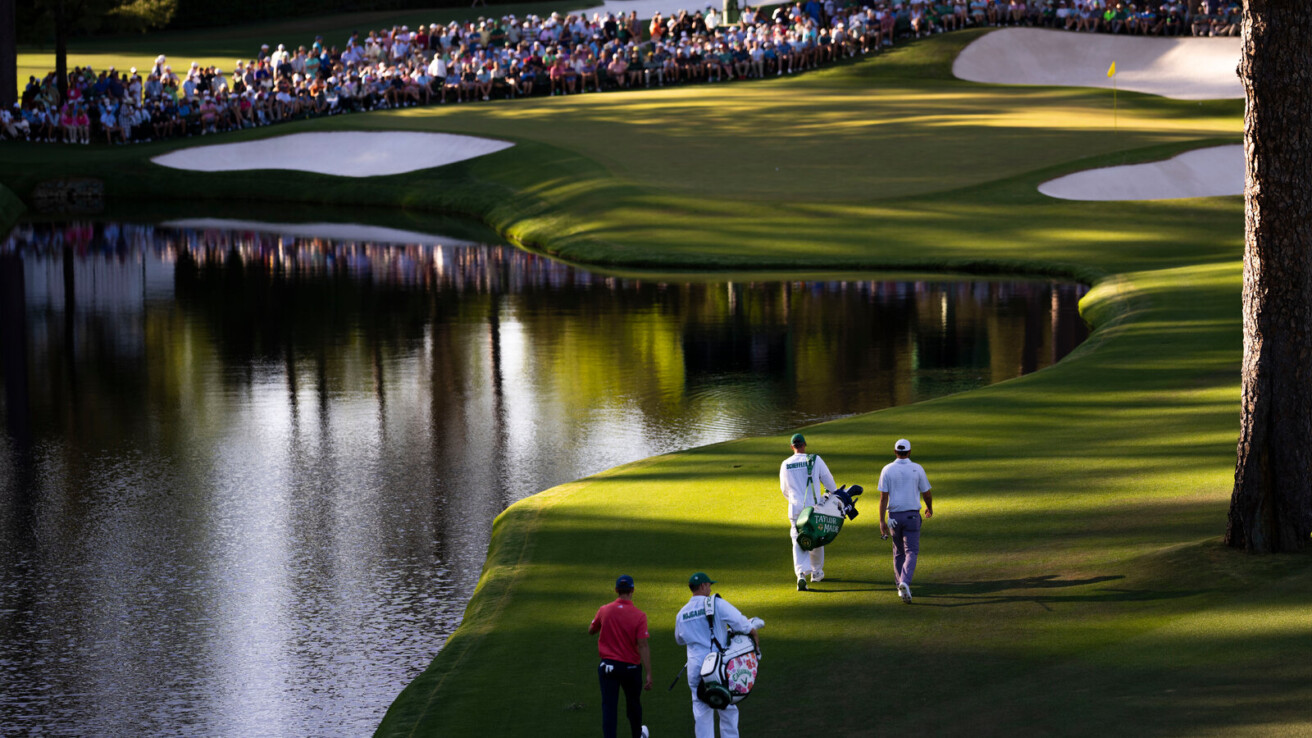

The Masters is not just golf’s top tournament; it’s a powerful metaphor for discipline, patience, and resilience, which are also essential to building lasting wealth.
Every April, people around the world watch the best golfers compete at Augusta National. The course is beautiful, and the pressure is intense. What many don’t see are the years of practice, the sore hands from countless swings, and the thousands of putts and chips it takes to have a low handicap. Success comes from hard work long before anyone wins a trophy.
Does this sound familiar? Building real wealth works the same way. It’s not one big trade, or a lucky tip from a friend at a party. It’s consistent contributions to your 401(k) and index funds, and increasingly educated bets on individual stocks. Curious, deliberate research into potential investments creates opportunities for you to score a few birdies in your portfolio and maybe a heralded eagle (10-bagger in investment jargon).
Augusta National is one of golf’s greatest tests, and the back nine on Masters Sunday is all about risk vs. reward, and Amen Corner has crushed many players’ hopes. Winners must manage their emotions wisely and choose when to take chances and when to play it safe.
Your financial life will follow its own course. Your age, income, risk tolerance, and family money history are like the holes you will play. A young investor just beginning and a 55-year-old are playing very different games that require their own game plans, tailored to their unique situations. A young investor can and should take a flyer on a promising small-cap growth story and has time to recover if it doesn’t work. A pre-retiree investor should stay more diversified as they can’t easily recover from a big loss (double bogey) late in life.
New to Midlife Male? Sign Up Now for Free
Every Augusta champion has made mistakes on Sunday. Great players and investors try to forget their errors quickly, reset, and move forward. They don’t let one mistake turn into a bigger problem by stewing over bogies. The famous Barry Diller once told a reporter after losing an acquisition target to a competitor: “Next.”
Bad trades are tuition in an investing life, the price we pay for real market experience. With an individual stock, learn to move on, look for the next opportunity, and stop dwelling on a losing position. Investors who can manage emotions, avoid panic-selling after a market dip, and remain invested in profitable companies tend to recover quickly. They view volatility as an ally, knowing they’re playing a long game.
Every champion has stories about lucky bounces in golf, a putt that lipped in, a drive that caught a slope, a chip that hit the pin. Luck is real in golf and in investing. But to get lucky, you must be in the game and in a position to receive it. You can’t benefit from a market rally if you’re sitting in cash out of fear. The greatest individual stocks over the past decade, those that rose more than 1,000x each, often saw temporary declines that took out short-sighted players.
My old coaches used to remind me that golf is 90% mental and 10% physical. If you can envision the feel of a smooth swing and the sight of your ball heading toward your target, then it becomes possible to translate it into your body. But standing over your ball, trembling at the shot you must make over the water, often brings a negative image into reality. Great golfers see themselves making great shots. I’ve recommended Morgan Housel’s “The Psychology of Money” to more clients than I can count. It’s the best book I know on mastering the emotional side of investing.
Successful investors need to be optimistic about the future, but with a healthy dose of reality about the fundamentals of any business. The research process helps you create data points that either support or contrast your original thesis. We are living in extraordinary times of rapid technological change, which can scare some, but others see it as an opportunity to participate in the current sixth wave of innovation (AI, Robotics, Quantum computing). Be the investor who can see problems getting solved by amazing new companies, just as you can see the ball landing next to the pin for a tap-in birdie.
It’s impossible to earn a green jacket without dealing with adversity. Rory McIlroy’s path to back-to-back Masters victories was paved with near misses and painful heartbreaks. Every great investor has a story of losses and missed opportunities, and while these lessons are expensive, they build the character to do better next time.
In my experience, the investors who succeed aren’t the smartest ones in the room; they’re the most patient, the most curious, and the most consistent, year after year.
The Masters tees off every April. Your financial life tees off every day. Play it like a champion.

midlifemalmidli
femalemidlif
Ron Speaker
Financial Consigliere
Midlife Male Contributor
midlifemal
midlifemale
midlifemal
Join 50,000+ driven men over 40 getting free weekly advice on maximizing their health, wealth, and fulfillment in midlife. Subscribe here.