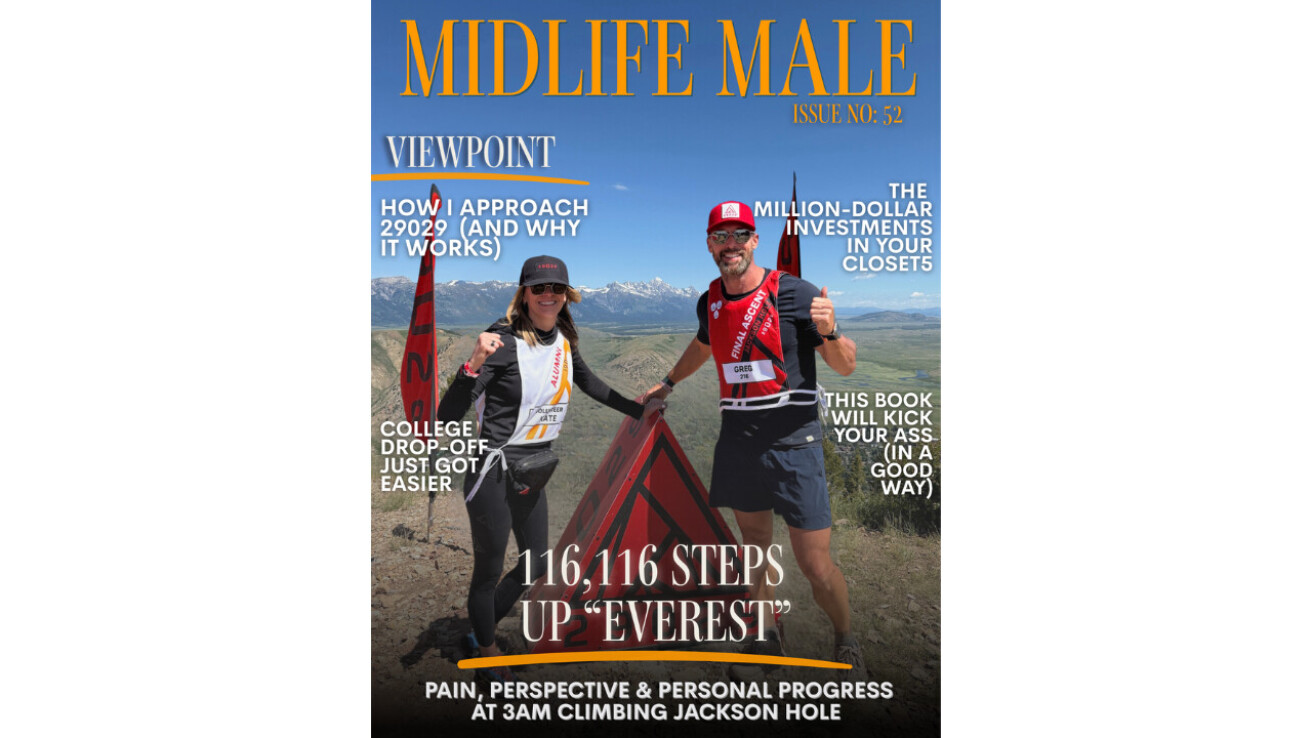

I’m 52 and wearing a black bib, the color they give you after completing the 29029 Everesting challenge three times. This is my fourth year. When people see it, I think they assume this comes naturally to me. That I’ve always been the guy who does stuff like this. But that’s not true. Five years ago, I was making the same excuses most of us make. Too old to start something new. I’m not in shape for this. I don’t do 36hr endurance events. I don’t even like 5k’s. I’m too busy to train for this anyway. I genuinely didn’t think I had this in me. Not once, and definitely not four times. But I was intrigued. And there was something pulling on me to say yes to what I’ve always said no to.
Here’s what I learned: the difference between the guy I was and the guy standing here today isn’t talent or luck. It’s showing up consistently when you don’t feel like it. Making the choice to try something that scares you a little (or in this case, a lot). And discovering that the voice in your head telling you “you can’t” is usually wrong. That’s what I want to talk about—not the achievement, but the process. Because if this is what’s happening to me from 47 to 52, maybe it can happen for you too. It’s evolution. It’s growth. But don’t for one second get the impression that it’s easy or routine. It’s anything but.
I talk a lot about progress being a process and about setting standards for yourself, even above goals. Well, let me backtrack to five years ago, when I first heard about this event. I said, “Wait a minute, I can climb the equivalent of Mount Everest? Do people do that? I don’t do that. I’ve never done anything like that. And wait, the average age is 46 years old? That’s me. What kind of shape do you need to be in? What does this cost? What kind of commitment do you need to make? It’s certainly possible because there are people doing it, but is it probable for me?”
At that moment, I decided to make the commitment, because if you don’t take the leap, and start, it’ll never happen.
One of the best decisions of my midlife.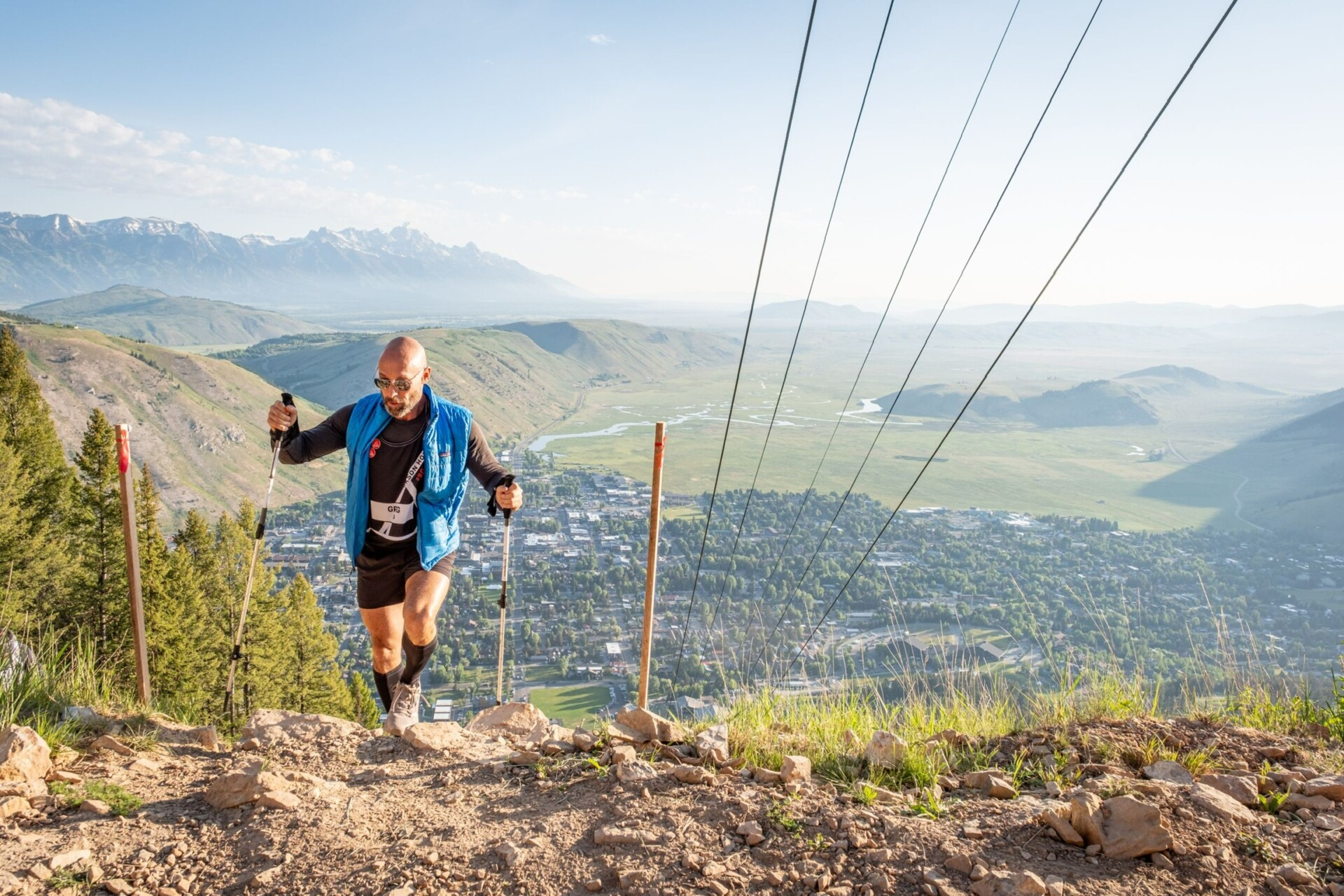
The First Climb Was a Mess (And That’s the Point)
Here’s how I approach risk. The honest truth is, I’m not going to climb the real Mount Everest. I have no interest in taking on that kind of risk, putting my life on the line, going halfway around the world, training for that type of scenario, the gear that’s involved, costs, stress on my family, everything. But this—this sounded like something I could do and that I wanted to do. It was outside of my comfort zone, but it also combined the things that I really love: mountains and hiking and beautiful locations and amazing people. And it was a challenge, not a race or a competition.
It’s the simplest concept – hike up, gondola down. Repeat as many times as it takes to hike 29029 vertical feet; the equivalent of climbing Mount Everest. And simple is hard. Which is why most don’t do it. And while most don’t, these events still sell out in 13 minutes. There are 300 people at each mountain, each one of them an incredible human, so you never feel alone or like an outlier in this community. BTW, do the math. 300 people, 8 mountains, around $6500 per person, this is a REAL business!
I signed up. In year one, I wrote the check. received the ticket, put it on my wall, trained for a year, and went out there, and did it. And made every mistake in the book; went too fast, fell off of my nutritional plan, didn’t train properly. I viewed it as a race, not as a challenge; didn’t sleep, went through the night, got sunburned beyond belief, was so inflamed and puffed up on pickle juice and electrolytes my feet could barely squeeze into my shoes, and missed the mark on the entire experience.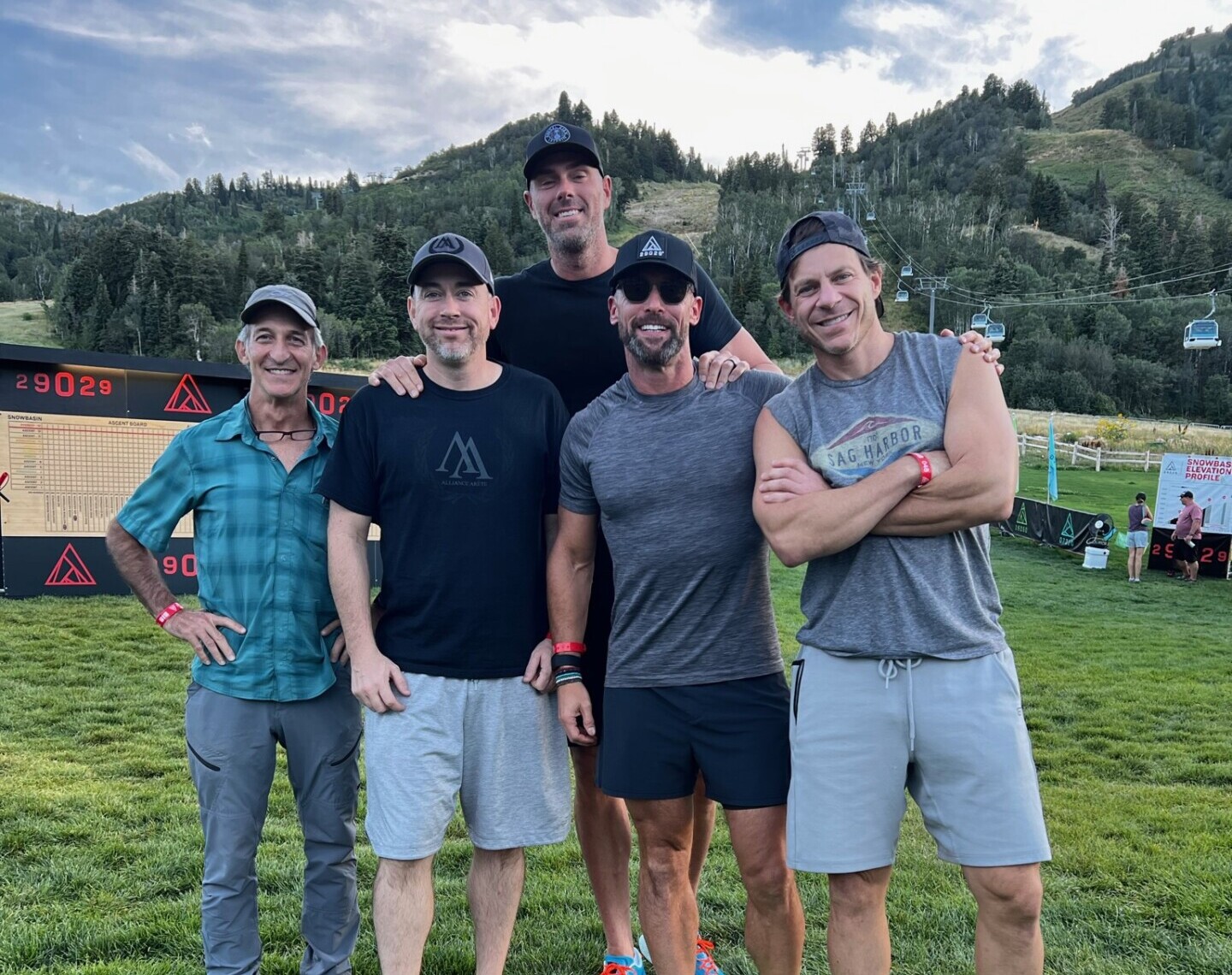
I finished, yes. But it wasn’t what winning was supposed to look like, or feel like. And I regretted it, and I came home and said to Kate, “I’m gonna do it better the next time.” And I wrote the check again, picked a different mountain, put the ticket back on the wall, and have been doing that now for four years in a row.
And I am getting better each time I go out there. Not better in terms of my times, not better just physically, but better mentally, emotionally, spiritually, financially, and in the familial sense. One thing founder, Mark Hodulich, said at this year’s closing ceremonies was this: that he loves seeing how kids look at their parents differently when they see them doing something like 29029. That struck a chord deeply, because I believe now that that’s what my kids see in me. And they do see me differently. From a soft, drinking, middle-aged, mediocre guy to a fit, sober, adventure-living guy. This is what I do. This is who I am. And it’s become a standard.
And I will do the same next year. It doesn’t matter to me if I get a little bit slower, if I lose a step. It doesn’t matter to me whether I finish in 30 hours or 35 hours and 59 minutes, right before the time cutoff. What does matter to me is that I show up and I help those around me get better, and that makes me get better. And that I feel a part of something, and that I have something to look forward to and plan for, and train for. It’s on my calendar.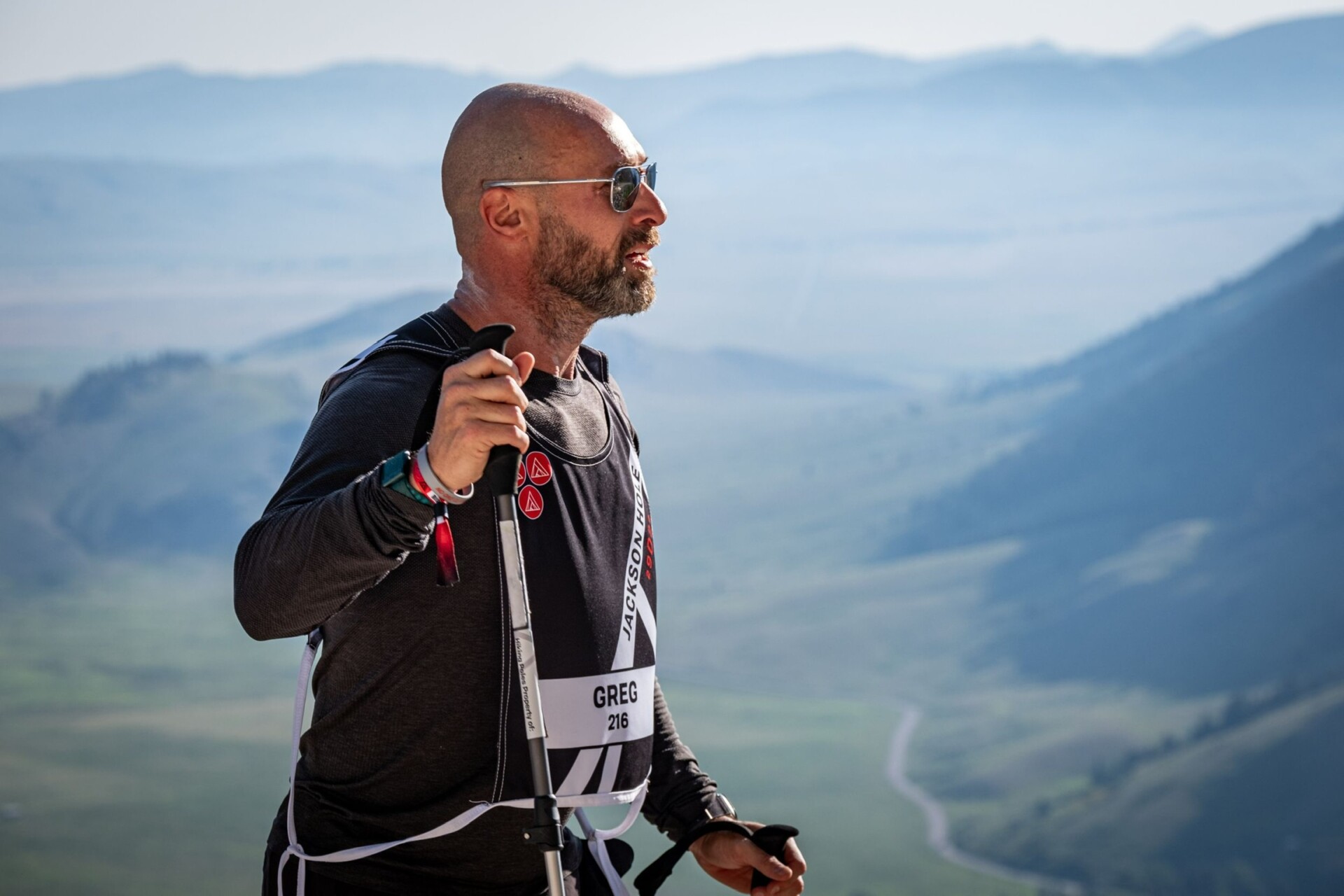
What Winning Really Means
This year, my wife Kate volunteered, after doing the event with me last year. Reaching the top of the mountain on each ascent and seeing her up there, being able to hug and kiss her, and seeing how she was taking care of all of the other participants was beautiful. Texting my kids from the top of the mountain, then at the bottom, and from the gondola, before starting another ascent. Harper was in Europe, but the time differences are meaningless when it’s 3 a.m. my time, and I’m hiking through the middle of the night, and it’s 11 o’clock in the morning Budapest time, and we’re chatting. Messaging my other son Auden, letting him know that “I’ll be there the day after tomorrow. I’ve just got to finish this out.”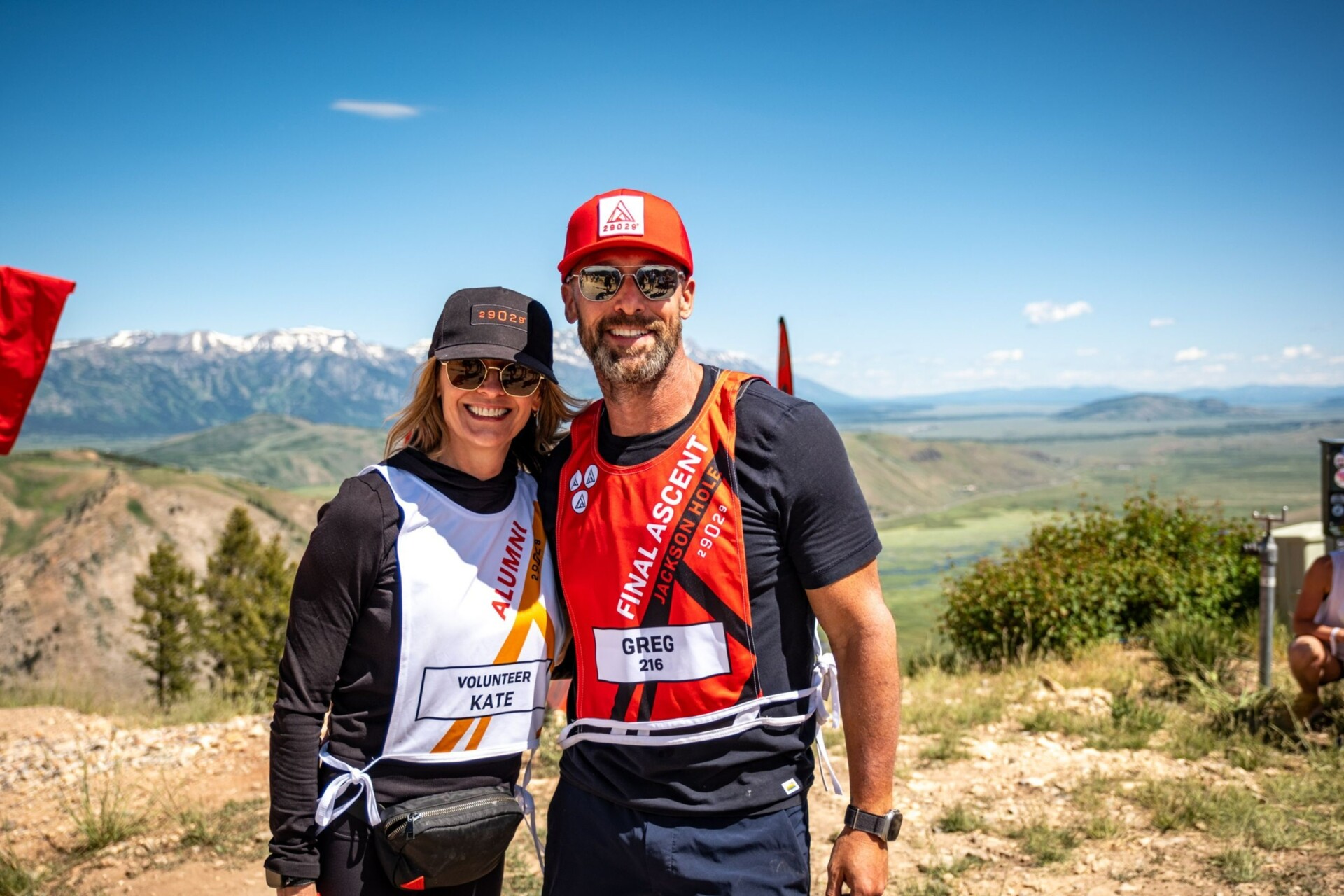
There’s kind of a rush to that; that we’re each doing our individual things and lifting one another up as a family, not through just our words, but through our actions and our habits, our behaviors, and our standards. It’s not about the red hat they give you when you finish or the medal. It’s about what it symbolizes: commitment, perseverance, grit, integrity, intestinal fortitude, strength. And that’s why when your kids look at you differently, it means something. Because how we perceive ourselves and how we’re perceived by others—it matters. At least, to me, it does.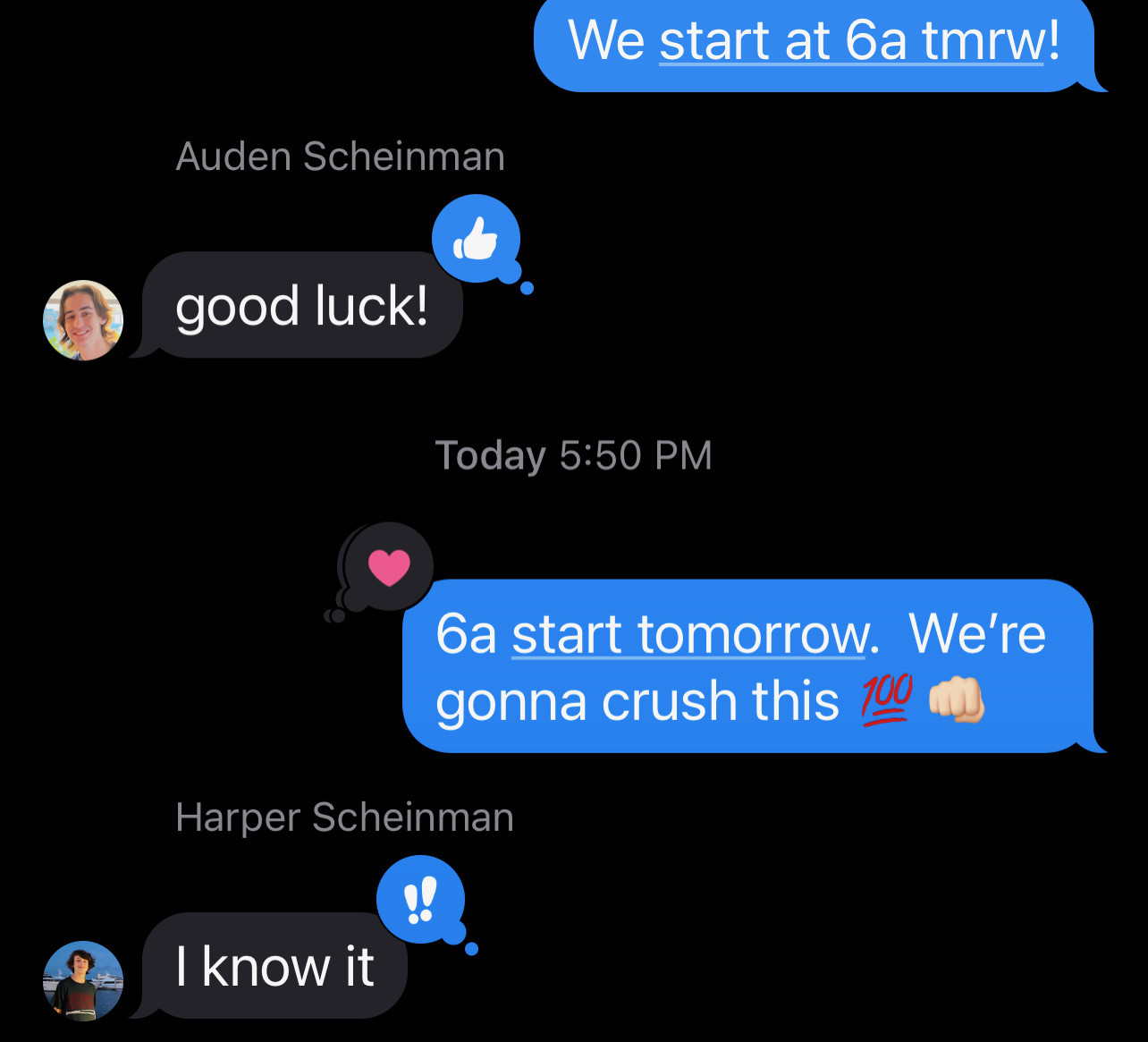
There’s something about putting your head down and focusing on one step and then another. And then when you finally look up, you’ve made it. And how that view means so much more when you’ve earned it. You didn’t ride up, you hiked up. Because of that, you get to ride down. And those five or six minutes feel really good. And what really gets you is when you know you’ve gotta go do it again. Turn right, head right back up. Turn right, head right back up. Even when you don’t want to. When you’ve reached a peak, when you’ve reached a second peak, when you’ve reached a third peak, and yet you know you’re still not at Everest, your equivalent of Everest. That’s when it gets really good.
Four times now. Four times I’ve stood at the base of a mountain, knowing what lay ahead – the burn in my legs, the conversations with strangers who’d become friends, the moments of doubt followed by inexplicable surges of determination. Four times I’ve committed to something I never thought I could do once, much less keep coming back to.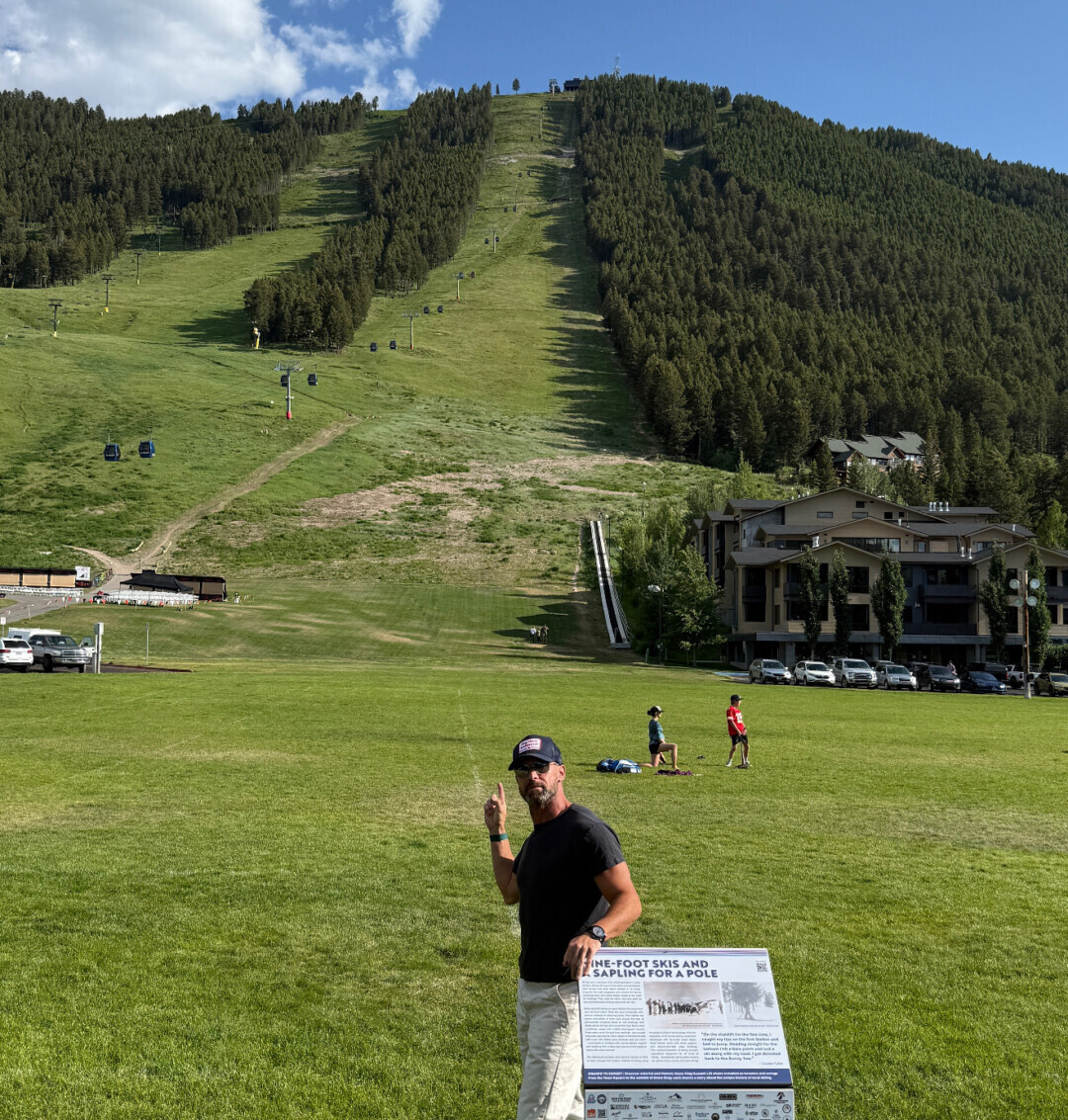
I remember the first time, the disbelief that I was even there. The voice in my head that whispered I didn’t belong, that this was for other people – fitter people, braver people, people who deserved to do extraordinary things. I used to think I didn’t deserve challenges like this, even vacations. I was always building, never ready, never having enough money, fitness, whatever. Excuses wrapped in self-doubt, lack of confidence, the comfortable isolation of thinking I had to do everything myself.
But here’s what I’ve learned through four of these experiences: It’s not about winning. It’s about what winning looks like when you redefine it entirely.
Winning isn’t crossing the finish line first. It’s committing and paying for it a year in advance when the voice in your head says you’re not ready. It’s training through the months when motivation wanes. It’s showing up when the mountain looks impossibly steep. It’s putting one foot in front of the other, again and again, when everything in your body wants to stop.
The strategy isn’t just physical – it’s deeply personal. How do I approach a challenge like this when I want to finish, but I also want to be smart? How do I push myself without crushing myself, go hard without being so depleted that I can’t enjoy a simple walk around town for the next three days? It’s about finding that sweet spot between ambition and wisdom, between pushing limits and respecting them.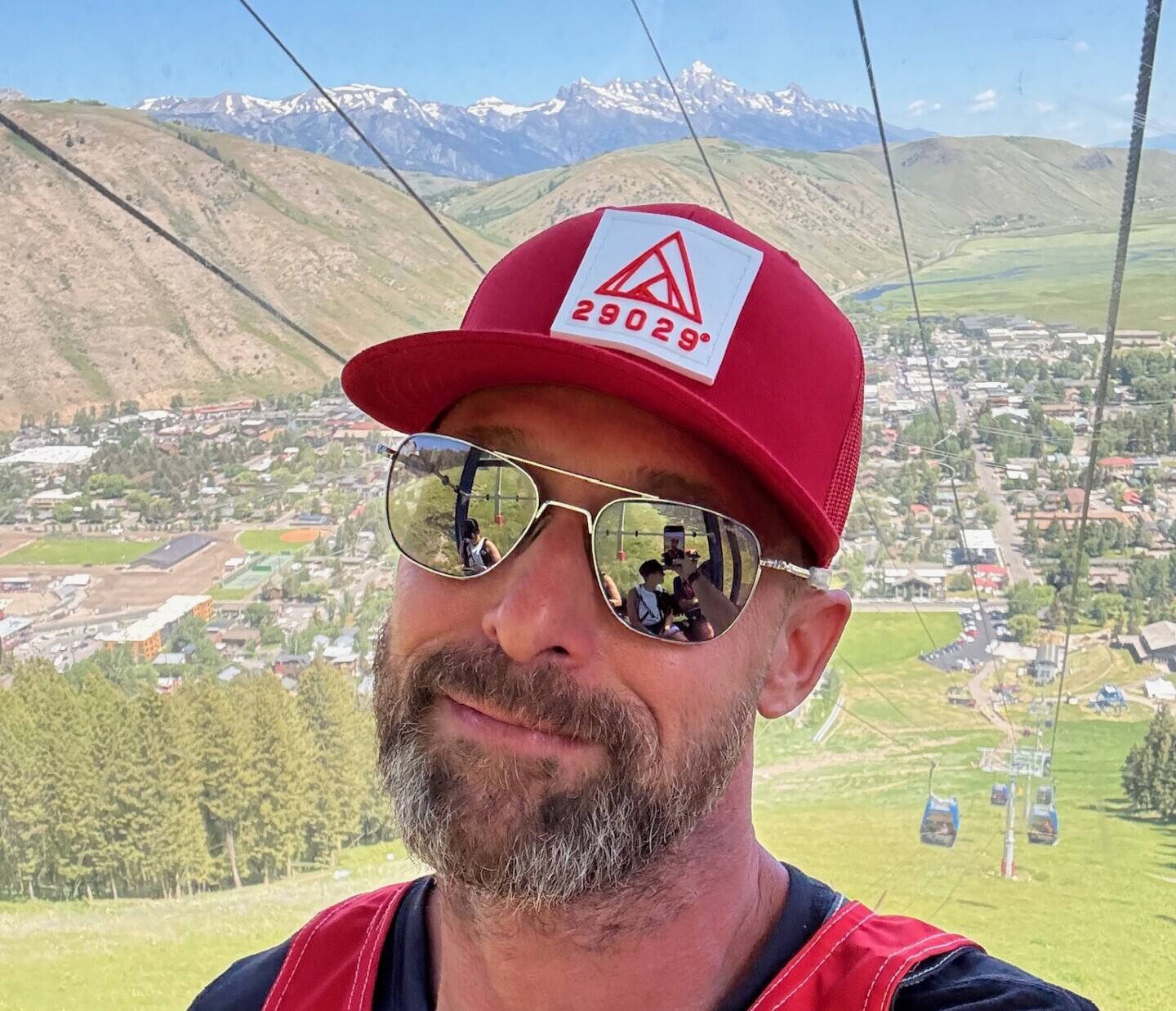
A Standard Worth Setting
Then there are the people. There’s this beautiful irony that no matter how good of shape I think I’m in, I always find myself behind some middle aged mother with three kids, who’s talking a mile a minute, never seems to be out of breath, ordering something from Amazon on her phone with one hand and using her hiking pole with the other, out hiking me for miles while I struggle to keep up.
This year it was Sundy and Craig. I met them around ascent 14 or 15. For reference this year it was 19 ascents of 1.1 mile per ascent and like walking straight up a wall. The vertical was ridiculous. We linked up, started hiking, talking, and the next thing I knew it was my fastest ascent time. We gondola’d back down, looked at each other and said “wanna go right back up?”. And we did. They got me through. I got to learn about each of them. The talking was a pleasant distraction. I got to meet Sundy’s husband and kids. That’s what this is about.
It’s Naren, my friend and publisher. Who came back again. This time better than the year before, and who pushed himself beyond what I thought he had in him, and I know beyond what he thought he had in him. That’s grit. That’s you versus you.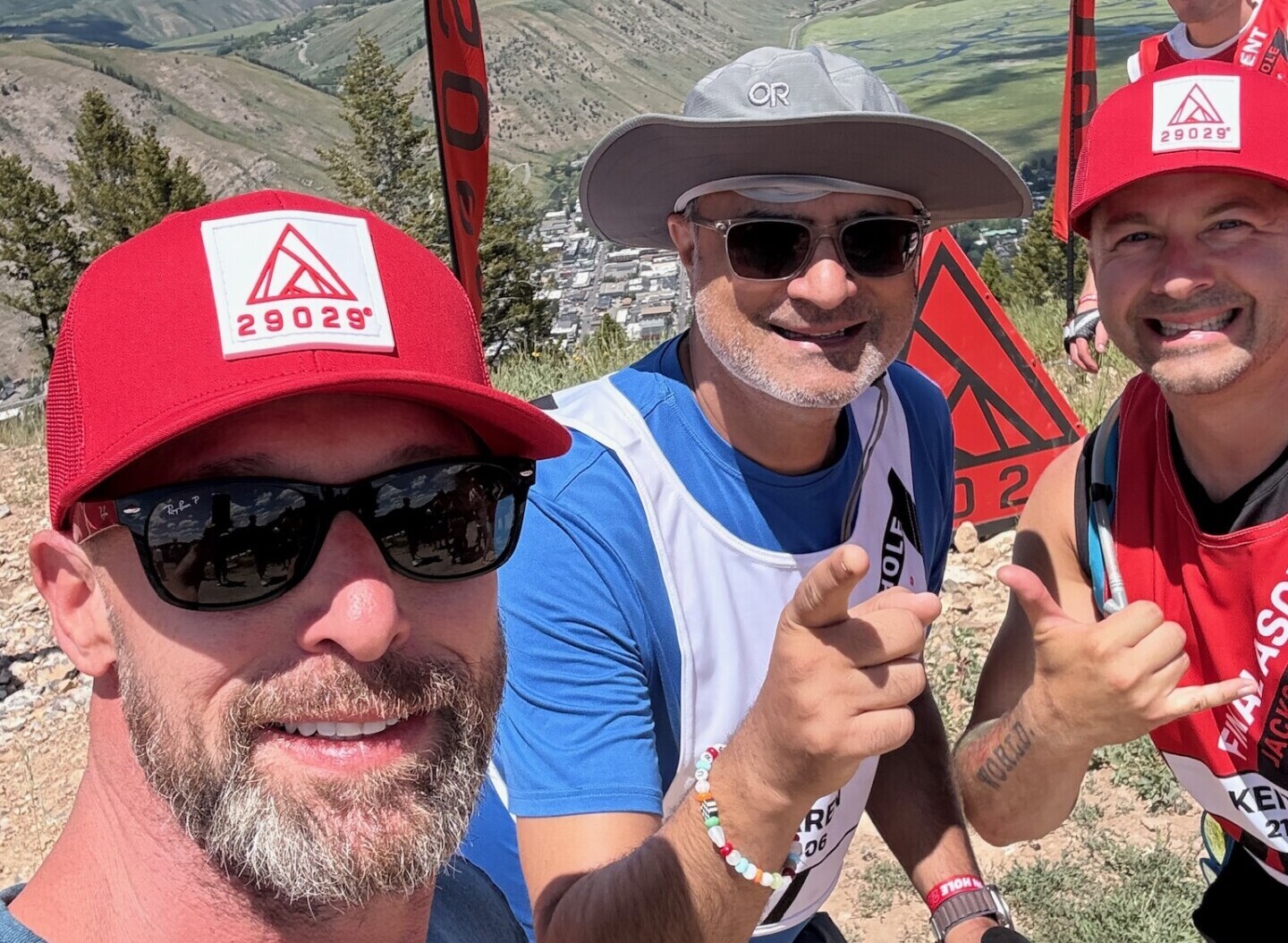
It’s JT, who was with me in year one. Learned a valuable lesson and has come back every year since, earning 3 red hats now. Seeing his dad, wife and daughter at the top of the mountain as he took every stride, used every minute and refused to quit until the mission was accomplished was heartwarming.
His brother Michael now has passed us both, having completed 5 thus far. It’s Patrick Keeble who’s completed more than I can count. 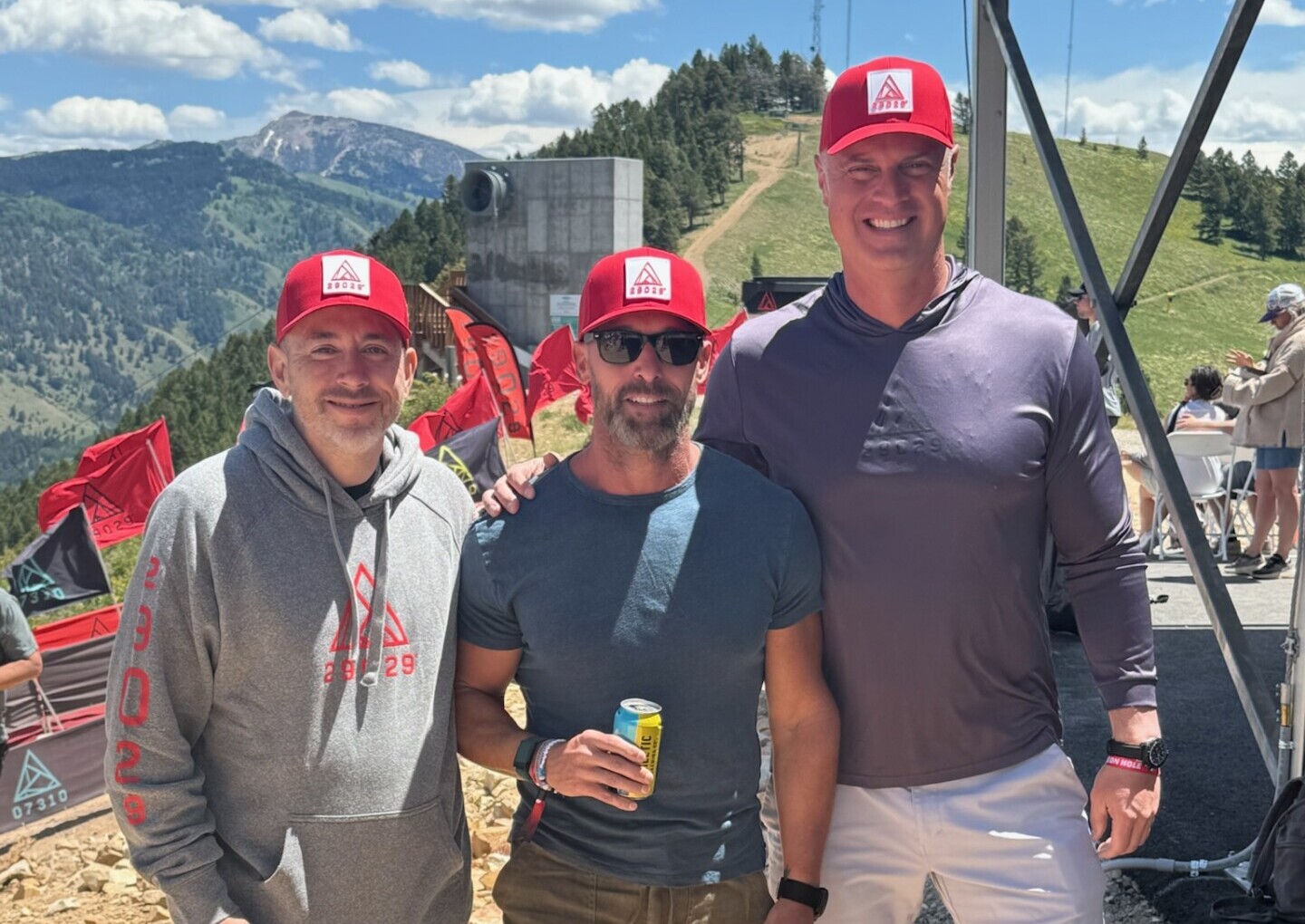
There are literally hundreds of these stories. Hannah May who I must’ve passed at least three times, and yet she was always smiling. Her versus her. One step at a time. She made these bracelets all with different messages on them and was giving them out to people throughout the event. The one she gave me says “Resilient beast” on it. I’ll take it.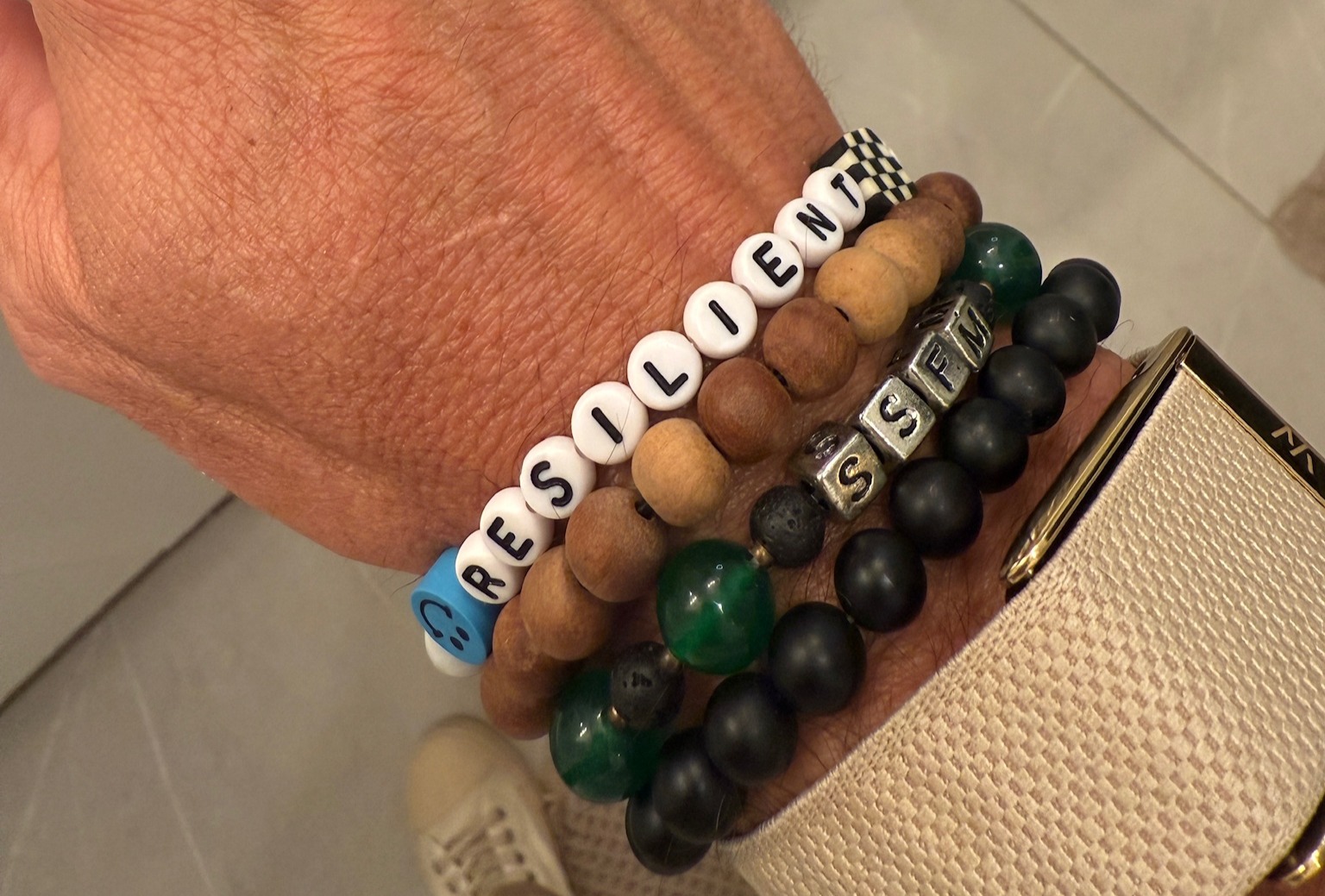
I used to live in a space of limitation. I thought I didn’t belong in communities like this – that was for people who needed people, and I convinced myself I didn’t need people, that I had to do everything myself. Wrong again. “I can’t” mindset means you won’t.
Connection used to be foreign to me. We didn’t do that in my family growing up, so how could I do it with strangers? But the loneliness of growth taught me something profound: when you begin to feel a connection, when you begin to realize that the difference between you and the ones you’re looking at is that they just started and kept going, everything changes.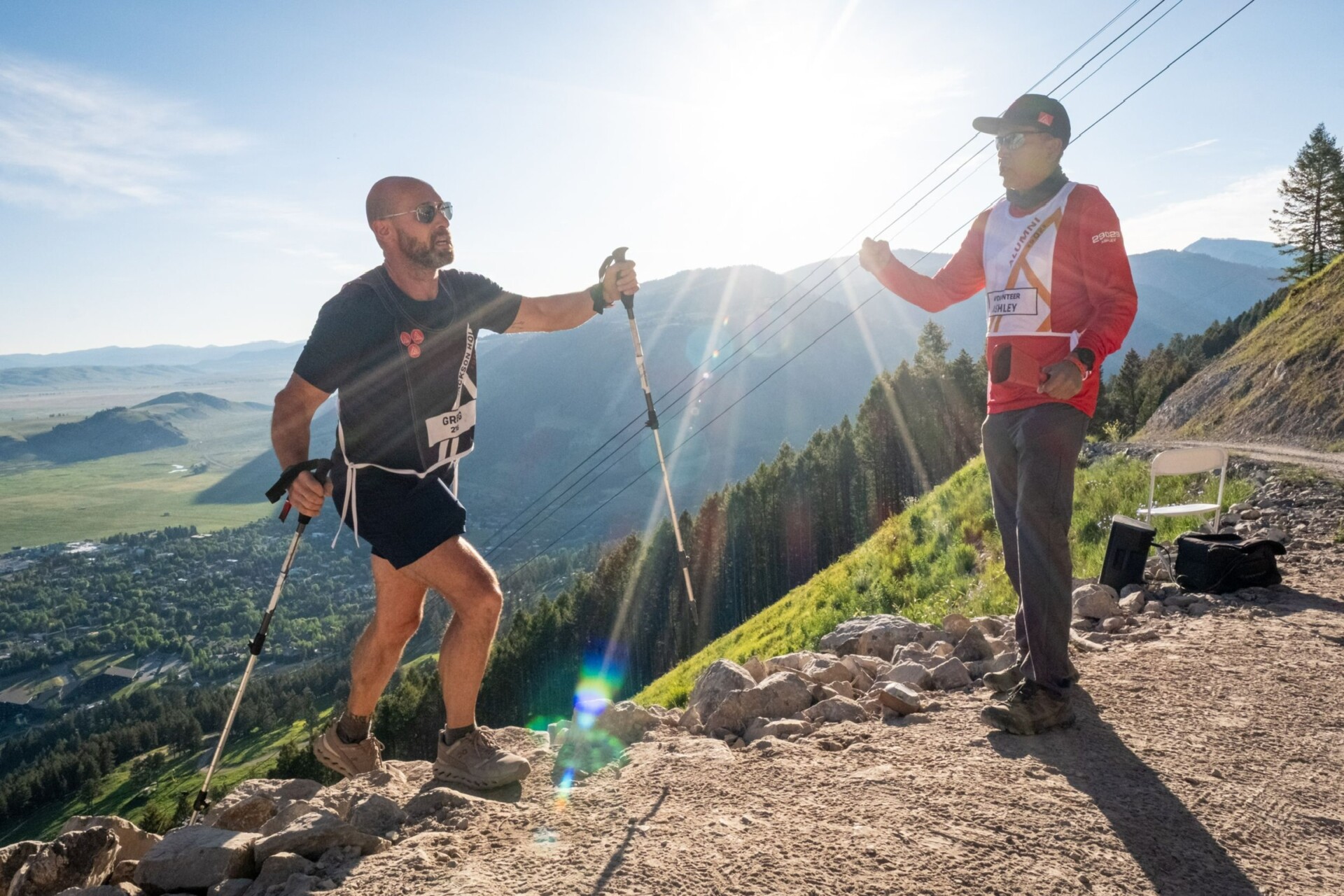
The limiting beliefs begin to crack. You start to understand that it’s not about being the best or reaching some perfect ending – it’s about the doing. That’s the victory. Starting and continuing. The simple, revolutionary act of beginning and not stopping.
Changing your life involves changing your life. Not just thinking about it, not just following other people’s journeys, not wanting something and doing nothing about it, but rather, just simply starting today. One thing. One behavior. One meal. One call. One walk. And then another.
As Ray Dalio said, “There’s no need to be perfect. To inspire others, let people be inspired by how you deal with your imperfections.” This resonates deeply with me now. I’m not perfect on these mountains (or in life). I struggle, I doubt, I sometimes fall behind that unstoppable soccer mom with the phone and hiking pole. But I keep going, and somehow, that imperfect persistence becomes its own form of inspiration.
I think I’m a mountain guy. For someone who was born and raised in New York, spent almost every vacation on a beach and now lives in Houston, I really feel at home – like me – in the mountains. I love hiking, biking, rivers, creeks, and nature’s cold plunge mountain style. The kind of dirty and sweaty you get from a good day of real exercise. The vintage trucks in town with bike and ski racks, dogs, the coffee shops and food. People just hit differently in the mountains. The farmers markets, parks, festivals, families. The sunrises and sunsets, the stars.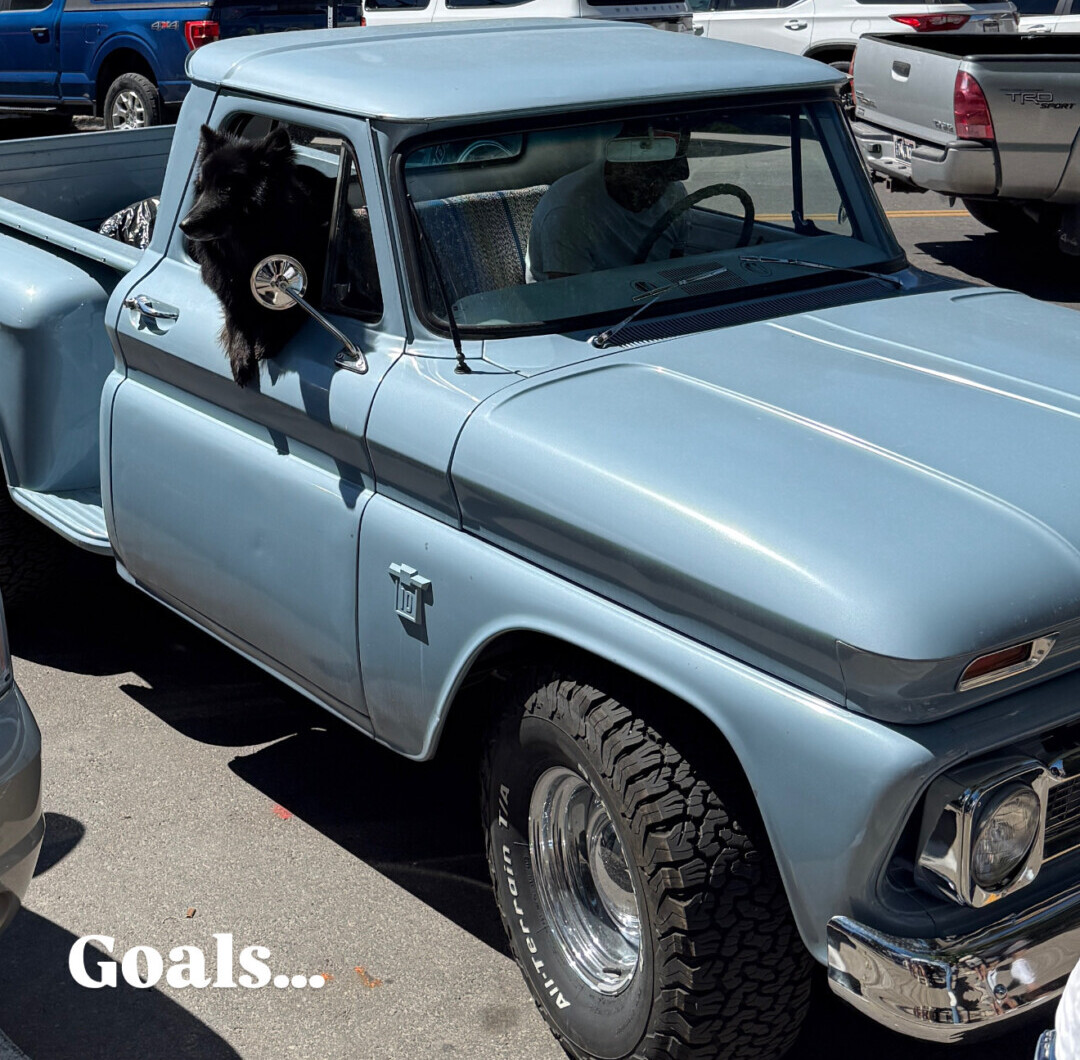
There’s something about mountain air that feels like permission – permission to be fully alive, to push boundaries, to connect with strangers who quickly become friends. I love seeing healthy people walking around with their dogs, smiling at beautiful flowers and incredible trees, breathing air that feels really good. Among all the craziness in the world, this is how things should be.
This is how I want to live: simply. Doing things I love with people I love. My kids, wife, my dogs, my friends. Being around people who inspire me, intrigue me. A great pair of vintage Levi’s, Alex Crane t-shirt, Birks or Red Wing boots depending on the season, sunglasses, perfect fitting ball cap from some BBQ joint or coffee shop I visited.
I want to be around natural beauty, the kind you can’t put a price on – clean crisp air, mountains or beach, a walking town and biking town. The kind where all the cars have bike and ski racks, where things move slowly, not off-grid slowly, but intentionally, smoothly. Where quality, hospitality, and cordiality matter.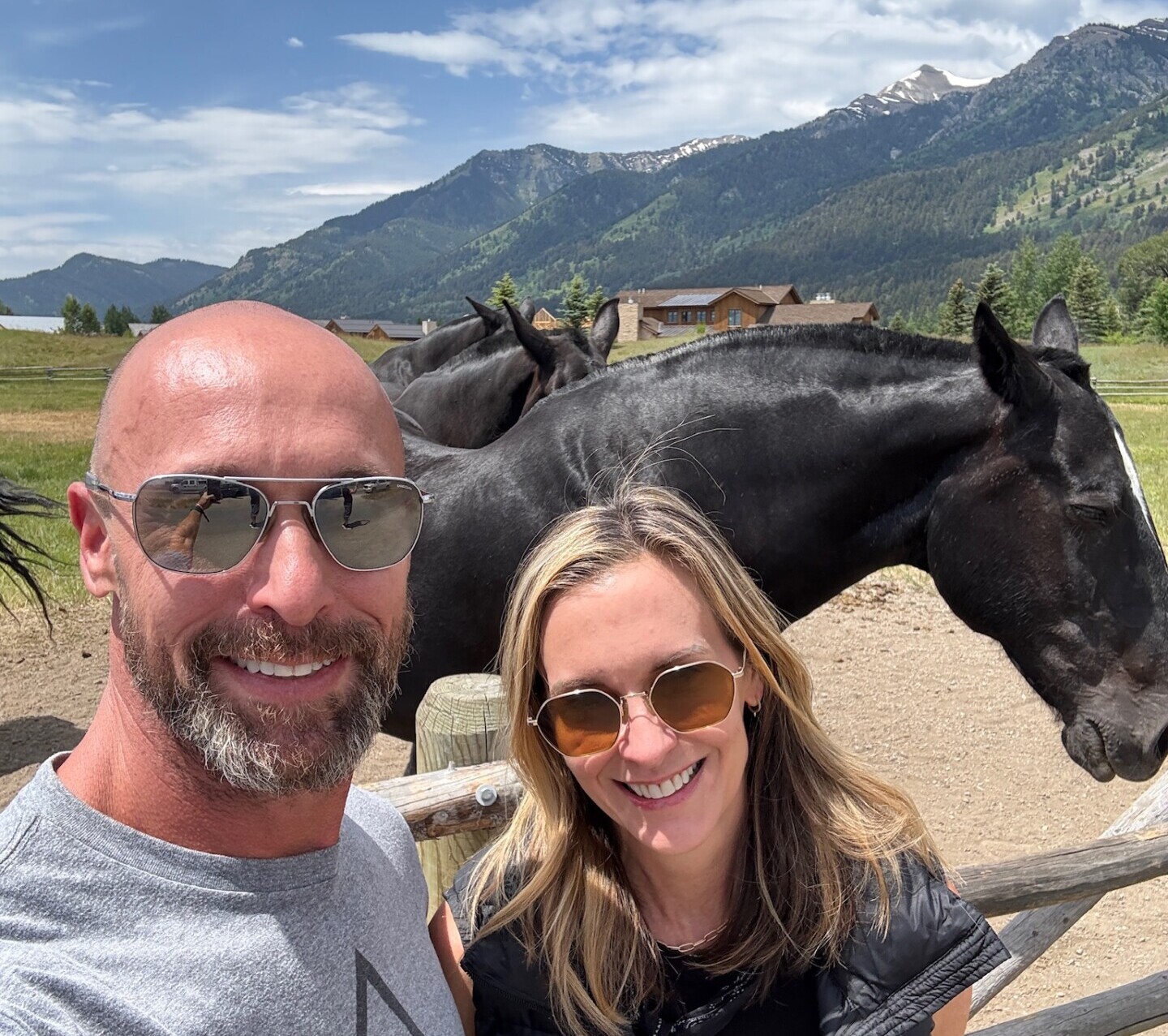
I want to wake up and feel something. That feeling of “wow, I’m really doing it.” This is actually my life, and I didn’t think it could be like this. Where you’re so happy to be wrong about how you “should” be doing things and all the limiting beliefs that were holding you back, and grateful for letting go of those and choosing to live fully instead.
I’m not an extremist. I do hard things, yes, and I love cool gear, but I’m not taking unnecessary risks either. I love to go hard and then there’s nothing better than that great shower after, having to work to get all the grit off, how clean and invigorated you feel after. A comfy robe or perfect lounge wear, a spa treatment, great organic meal like roasted chicken, seasonal vegetables, some pasta and an ice cold NA beer, and I sleep like a baby. I actually work better like this too.
So here I am, four 29029s later, still somewhat amazed that I keep coming back. Each time, I discover something new about what I’m capable of, about what winning really means, about the power of community and the necessity of pushing beyond the comfortable boundaries of “I can’t.”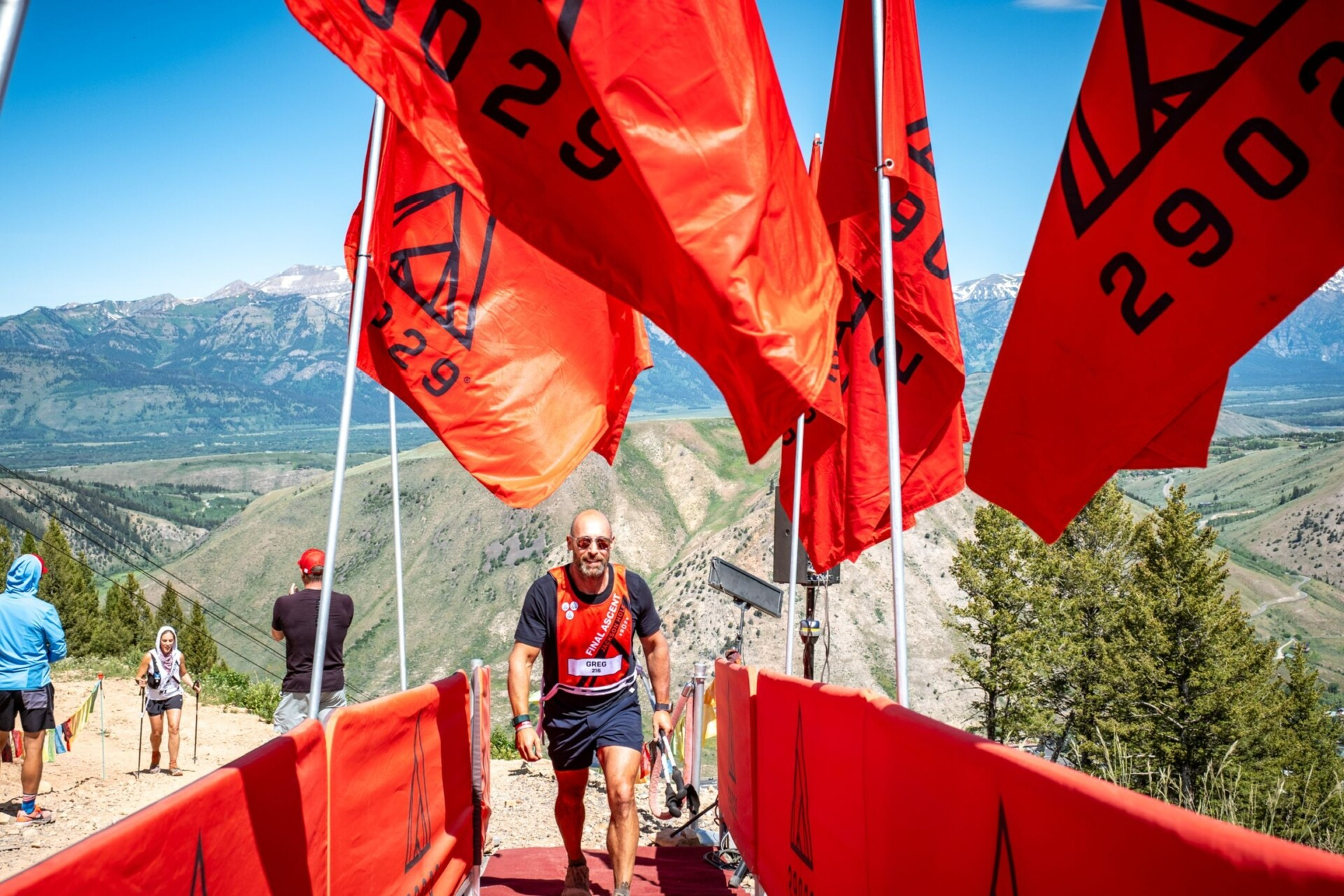
The mountain doesn’t care about your excuses or your fears. It just waits, patient and immovable, for you to decide what you’re going to do about it. And every time I decide to show up, to commit, to put one foot in front of the other, I’m not just climbing a mountain – I’m climbing out of every limitation I’ve ever placed on myself.
That’s what winning looks like. That’s what living fully means. And that’s why I’ll keep coming back, one mountain at a time, one step at a time, one breath at a time, for as long as my legs will carry me and my heart will let me believe in the possible made probable through the simple act of beginning again.
In Health,
Greg
midlifemalmidli
femalemidlif
Greg Scheinman
Founder, Midlife Male
52. Husband. Father. Entrepreneur. Coach.
Follow me on LinkedIn, and Instagram
midlifemal
midlifemale
midlifemal
Join 20,000+ driven men over 40 getting free weekly advice on maximizing their health, wealth, and fulfillment in midlife. Subscribe here.